The End of Free Social Media? Why Meta’s Subscription Plan is a Game-Changer for the Entire Tech Industry
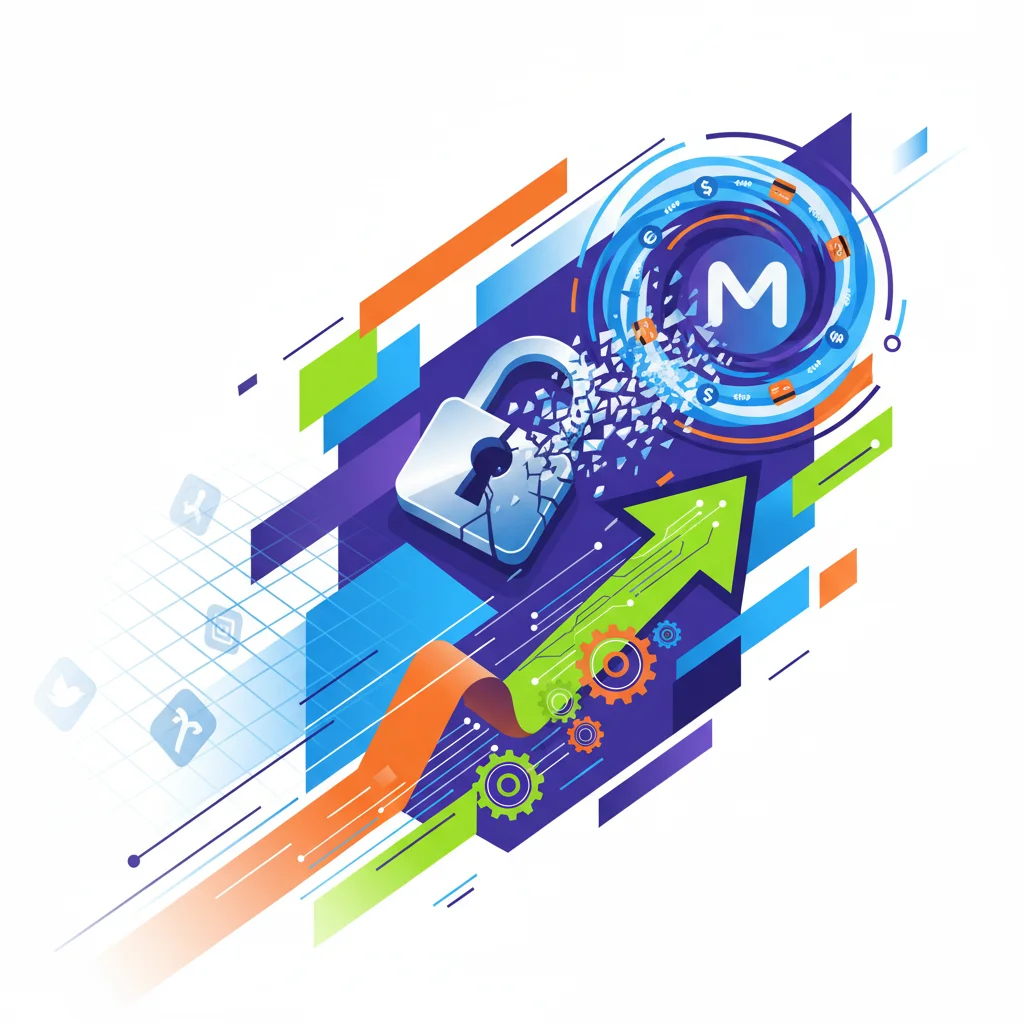
For nearly two decades, a simple, unwritten contract has governed the internet: you get free access to incredible platforms, and in return, they get your data to sell ads. From Facebook’s endless scroll to Instagram’s visual tapestry, the core experience has always been “free.” But the ground is shifting. A recent report from the BBC confirms that Meta is preparing to trial premium subscriptions for Facebook, Instagram, and potentially WhatsApp. While the company assures us that core services will remain free, this move isn’t just a new feature—it’s a seismic tremor signaling a fundamental change in the business of social connection.
This isn’t just about an ad-free option. It’s about the maturation of the internet, the collision of market pressures, and a strategic pivot that will have ripple effects for users, developers, entrepreneurs, and the very fabric of digital society. Let’s unpack what’s really happening and why this is one of the most significant developments in tech this year.
The Perfect Storm: Why Now?
Meta, a nearly trillion-dollar company, doesn’t make a move this significant on a whim. This strategic shift is the result of a “perfect storm” of economic, regulatory, and competitive pressures that have been brewing for years. Understanding these forces is key to grasping the magnitude of this change.
1. The Crumbling Walled Garden of Advertising
For years, Meta’s business model was a masterclass in advertising. By tracking user behavior across apps and websites, it built unparalleled profiles for hyper-targeted ads. Then came Apple’s App Tracking Transparency (ATT) framework. This single software update gave users the power to say “no” to tracking, and a vast majority did. The impact was immediate and brutal. In February 2022, Meta reported that ATT would cost it an estimated $10 billion in revenue for that year alone. The golden goose of third-party data was wounded, forcing the company to find more reliable, first-party revenue streams.
2. Regulatory Headwinds, Especially in Europe
The European Union has been at the forefront of reining in Big Tech’s power. Regulations like the GDPR, and more recently the Digital Markets Act (DMA) and Digital Services Act (DSA), are fundamentally changing the rules of the game. The DMA, in particular, takes aim at “gatekeeper” platforms and could force Meta to offer versions of its services that don’t rely on personal data for advertising. An ad-free subscription tier is a direct and elegant (from Meta’s perspective) solution to comply with these regulations while opening a new revenue channel. It reframes the debate from “data privacy vs. access” to a simple consumer choice: pay with your data or pay with your money.
3. The Unbundling of Social Media
The era of a single platform dominating all social functions is over. TikTok mastered short-form video, BeReal captured authentic moments, and Discord became the king of communities. This “unbundling” has put immense pressure on Meta’s one-size-fits-all approach. A subscription model allows Meta to cater to its most dedicated users—creators, professionals, and power users—with specialized tools. This is a defensive move to prevent user erosion and an offensive strategy to build deeper loyalty with high-value cohorts by offering them premium, niche features powered by advanced software and AI.
The New Gold Rush: Why Tech Investors Are Piling into Defense Startups
What Could a “Meta Prime” Subscription Look Like?
While Meta has been tight-lipped about the specifics, we can look at the existing landscape of social media subscriptions to make some educated guesses. The goal isn’t just to remove ads; it’s to add tangible value that people are willing to pay for. This is where Meta’s vast technical resources in artificial intelligence and machine learning will come into play.
Here’s a comparison of what other platforms are offering, which can serve as a blueprint for Meta’s potential plans:
| Platform | Subscription Service | Key Features | Potential Meta Equivalent |
|---|---|---|---|
| X (formerly Twitter) | X Premium | Blue checkmark, edit posts, longer posts/videos, reduced ads, priority in replies. | Verified badges, post-editing on Facebook, priority comments, ad-free feed. |
| Snapchat | Snapchat+ | Exclusive/early access features, custom app icons, story re-watch count, “Best Friends” pinning. | Exclusive Instagram filters, advanced Story analytics, profile customization, pinning DMs. |
| LinkedIn Premium | See who viewed your profile, InMail credits, advanced search, access to learning courses. | Advanced professional networking features on Facebook, enhanced visibility for job seekers, creator collaboration tools. | |
| Telegram | Telegram Premium | Larger file uploads, faster downloads, voice-to-text conversion, exclusive stickers/reactions. | Enhanced features for WhatsApp Business, larger file sharing, advanced chat automation. |
Beyond these basics, Meta could leverage its unique strengths. Imagine Instagram offering subscribers AI-powered editing tools that go far beyond basic filters, or Facebook providing small businesses with advanced, automated analytics dashboards. For creators, a subscription could unlock direct monetization tools, better reach, and enhanced cybersecurity features like priority account support—a major pain point for anyone who has ever been locked out of their account.
The Ripple Effect: What This Means for the Tech Ecosystem
This decision will send waves far beyond Meta’s headquarters. It represents a paradigm shift with profound implications for everyone from solo developers to enterprise startups.
For Users: The Dawn of the Two-Tiered Internet
The most immediate impact will be the creation of a digital class system. There will be the “premium” users with clean, ad-free feeds and exclusive features, and the “free” users who continue to be the product. This could lead to a fragmented experience where conversations, visibility, and even influence are skewed towards those who pay. The core question becomes: will the free experience remain genuinely useful, or will it become a ghost town designed to frustrate you into subscribing?
For Developers, Entrepreneurs, and Startups
Meta’s move is a massive validation of the hybrid, freemium SaaS (Software as a Service) model. For years, consumer tech startups have struggled with monetization, often defaulting to the ad model because it was the proven path. Now, the world’s largest social network is signaling that direct user payment is a viable, and perhaps necessary, path to sustainability.
This creates both opportunities and challenges:
- Innovation in Tooling: Expect a surge in innovation from third-party developers creating tools for Meta’s premium ecosystem. This could range from advanced analytics suites for creators to automation software for businesses managing their presence on a “premium” Instagram. The need for sophisticated programming to integrate with new APIs will be immense.
- Investment Viability: Venture capitalists may now look more favorably on consumer apps that have a clear subscription strategy from day one, rather than a vague plan to “monetize with ads later.”
- The Talent War: The engineering effort required to refactor a platform used by 3 billion people to support a tiered subscription model is monumental. It involves deep work in cloud architecture, database management, and secure payment processing, further intensifying the demand for top-tier software engineers.
One Year In: How Trump's Return Forged a New, Unlikely Alliance with Big Tech
For the Creator Economy
This could be a double-edged sword for creators. On one hand, a subscription could offer them powerful new tools for monetization and audience engagement, as confirmed by a report from The Verge on Meta’s new paid features division. Imagine exclusive content for subscribers, special badges, and direct support from the platform. On the other hand, if the algorithm begins to favor content from paying users, it could kill the organic reach that allows new creators to break through, creating a “pay-to-play” environment that stifles creativity.
The Road Ahead: Challenges and Unanswered Questions
Meta’s path is fraught with challenges. The biggest hurdle is convincing billions of users, conditioned for two decades to get everything for free, to open their wallets. The price point will be critical. Too high, and adoption will be minimal. Too low, and it won’t meaningfully impact Meta’s bottom line. Finding that sweet spot is a multi-billion-dollar question.
Furthermore, the company must manage the transition without alienating its core user base. If the free tier becomes a frustrating, ad-riddled wasteland, users won’t upgrade—they’ll just leave for other platforms. The success of this entire venture hinges on Meta’s ability to add overwhelming value to the paid tier while preserving the integrity and utility of the free one.
The Digital Harvest: How AI, Automation, and Software Are Cultivating the Farms of Tomorrow
In conclusion, Meta’s exploration of subscriptions is far more than a new revenue stream. It is a response to a changing world—a world with more privacy-conscious users, stricter regulators, and fiercer competition. It marks the end of an era and the beginning of a new, more transactional relationship between platforms and their users. Whether this leads to a more sustainable and innovative internet or a fragmented, unequal one remains to be seen. But one thing is certain: the “free” lunch is over, and the bill is finally coming due.

Related Posts
TikTok Now Wants Your Precise GPS Data: Why This is a Game-Changer for AI, Advertising, and Your Privacy