Beyond the Trade Blitz: How India’s Pivot to Europe is Redefining Global Economics and Investment
Introduction: A Storm, A Shift, and a New Horizon
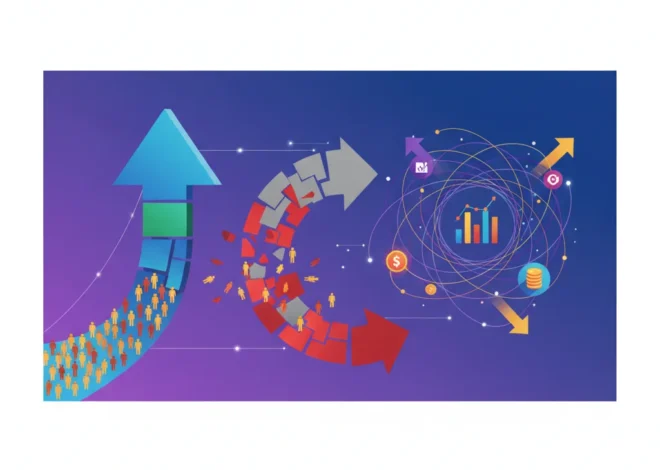
In the world of international economics, few events create ripples as powerful as a trade war. When the Trump administration initiated its “trade blitz,” imposing punitive tariffs on goods from around the globe, it wasn’t just a political headline; it was a seismic event that forced nations to fundamentally rethink their economic alliances. For India, a rising economic powerhouse, the tariffs on key exports like steel and aluminum were a direct challenge. The response, however, was not one of capitulation but of strategic recalibration—a decisive pivot away from reliance on the US market towards a new, ambitious partnership with the European Union.
This move is far more than a simple reaction to protectionist policies. It represents a significant realignment in global trade, with profound implications for international finance, supply chains, and investment strategies. As New Delhi works to seal a landmark trade deal with the EU, investors, business leaders, and finance professionals are watching closely. This isn’t just about offsetting losses; it’s about charting a new course in a multipolar world, creating a powerful new economic corridor, and unlocking a wave of fresh opportunities. Let’s delve into the catalysts behind this shift, the immense potential of an India-EU partnership, and what it means for the future of the global economy.
The Catalyst: Unpacking the Impact of US Tariffs
To understand India’s European gambit, we must first revisit the policies that set it in motion. The US administration’s decision to impose tariffs was rooted in an “America First” agenda aimed at reducing trade deficits and protecting domestic industries. For India, this translated into significant duties on steel and aluminum, two critical export sectors. This wasn’t a minor adjustment; it was a direct hit to the bottom line of countless Indian manufacturers who had built their business models around access to the lucrative US market.
The impact was immediate. Exporters faced shrinking margins, and the uncertainty sent shockwaves through the supply chain. According to reports from the period, Indian officials and industry leaders voiced significant concern over the “punitive” nature of the tariffs, which disrupted long-standing trading relationships (source). For investors tracking the Indian stock market, companies heavily reliant on US exports suddenly became riskier propositions, highlighting the vulnerability of concentrated market exposure.
This situation served as a critical wake-up call, exposing the risks of over-reliance on a single trade partner, no matter how large. It became clear that diversification was not just a prudent business strategy but a national economic imperative.
Decoding the Market: Financial Lessons Hidden in the FT Crossword
India’s Strategic Response: The European Union Free Trade Agreement (FTA)
Faced with a closing door in the West, India turned its gaze toward another economic giant: the European Union. The prospect of a comprehensive Free Trade Agreement (FTA) with the 27-nation bloc emerged as the centerpiece of India’s new geoeconomic strategy. An FTA would go far beyond simply replacing lost US revenue; it would create a framework for deeper economic integration, covering everything from goods and services to investment and intellectual property.
The potential is staggering. The EU is already one of India’s largest trading partners, but a formal FTA would dismantle existing tariffs and non-tariff barriers, unlocking enormous growth. Key Indian sectors, which faced headwinds in the US, stand to gain significantly. Below is a look at some of the sectors and their potential under an India-EU FTA.
| Sector | Current Status & US Tariff Impact | Potential Under India-EU FTA |
|---|---|---|
| Textiles & Apparel | Faces stiff competition and some tariffs in the US market. Highly sensitive to trade policy shifts. | Significant growth potential by gaining preferential access to the EU’s massive consumer market, competing more effectively with nations like Bangladesh. |
| Automotive Components | A major export category to both regions, but US protectionism created uncertainty. | The EU’s advanced automotive industry offers huge opportunities for Indian component manufacturers to integrate into European supply chains. |
| Pharmaceuticals | India is a global leader in generic drugs, but faces stringent regulatory hurdles in the West. | An FTA could streamline regulatory approvals (Mutual Recognition Agreements), boosting exports of affordable, high-quality medicine to Europe. |
| IT & Digital Services | Strong presence in the US, but visa issues and protectionist sentiment pose risks. | The EU’s focus on digital transformation presents a massive opportunity. An FTA could ease data flow regulations and movement of skilled professionals. |
Successfully concluding this deal would help Indian manufacturers not only offset the impact of US tariffs but also establish a more resilient, diversified export portfolio for the future (source).
The Ripple Effect: Implications for Finance, Investing, and Technology
A major realignment in global trade of this magnitude creates powerful ripple effects across the entire financial ecosystem. For those in investing and finance, understanding these secondary impacts is key to identifying both risks and opportunities.
1. A New Landscape for Investors
The prospect of an India-EU FTA reshapes the investment thesis for India. Companies in the sectors poised to benefit—textiles, auto components, pharmaceuticals, and green energy—become significantly more attractive. International investors will likely increase their focus on Indian equities with strong European exposure. This shift could drive foreign direct investment (FDI) into India, particularly in manufacturing, as European companies look to build more resilient supply chains with India as a key hub—a “China+1” strategy in action. For those managing portfolios, this necessitates a re-evaluation of geographic and sectoral allocations within the Indian stock market.
2. The Evolving Role of Banking and Financial Technology
Increased trade volume between India and the EU demands robust support from the banking sector. This means a greater need for sophisticated trade finance solutions, foreign exchange services (in EUR and INR), and capital for businesses looking to expand their production capacity. This is where financial technology, or fintech, plays a transformative role.
Cross-border payment platforms can drastically reduce the cost and friction of international transactions. Furthermore, emerging technologies like blockchain offer unprecedented potential for revolutionizing trade finance. By creating a transparent, immutable ledger for supply chain tracking, documentation, and payments, blockchain can reduce fraud, slash administrative overhead, and accelerate the entire trade lifecycle. Indian and European fintech firms that can bridge this gap are positioned for explosive growth.
Political Tremors: How a Tory Defection Signals Deeper Economic Risks for UK Investors
3. Recalibrating Global Supply Chains
For decades, global supply chains were optimized for cost and efficiency, often centered around China and the US. The recent trade wars, followed by the pandemic, exposed the fragility of this model. India’s pivot towards the EU is part of a broader global trend of supply chain diversification and regionalization. This shift has massive implications for logistics, manufacturing, and global economics. It strengthens a new Eurasian economic corridor, reducing dependence on traditional East-West routes and creating a more balanced and resilient global trading system.
The Road Ahead: Hurdles and the Ultimate Prize
While the strategic vision is clear, the path to a comprehensive India-EU FTA is not without its challenges. Negotiations have historically stalled over contentious issues such as agricultural subsidies, market access for dairy products, intellectual property rights for pharmaceuticals, and tariffs on automobiles and spirits. As one analyst noted, these are complex areas where both sides have strong domestic constituencies to protect (source).
However, the current geopolitical climate has created a new sense of urgency. Both India and the EU see the strategic benefit of a closer alliance as a counterbalance to other global powers. If negotiators can overcome these historical sticking points, the prize is immense: a trade partnership that could redefine the economic landscape for decades to come.
Beyond the Spreadsheet: Why 'AI Fluency' is the New Must-Have Skill in Finance and Consulting
Conclusion: From Reaction to Reinvention
What began as a defensive reaction to the US trade blitz has evolved into a proactive and visionary reinvention of India’s global economic strategy. The pivot towards an EU trade deal is a masterclass in turning a crisis into an opportunity. It is a move that promises to create a more resilient Indian economy, diversify its export markets, and attract a new wave of investment.
For investors, financiers, and business leaders, this is a pivotal moment. The shifting sands of global trade are creating new corridors of power and commerce. The strengthening India-EU relationship is not just a footnote in economic history; it is a headline event that will shape investment returns, drive innovation in financial technology, and redraw the map of the 21st-century global economy. Watching this space is no longer optional—it is essential.

Related Posts

Beyond the Headlines: 3 Financial Crises Shaping the Future of Business
Global Crosscurrents: Navigating Political Risk, Market Volatility, and the Long Arm of Finance