Unlocking a Trillion-Dollar Market: Inside the EU-Mercosur Deal and Its Impact on the Global Economy
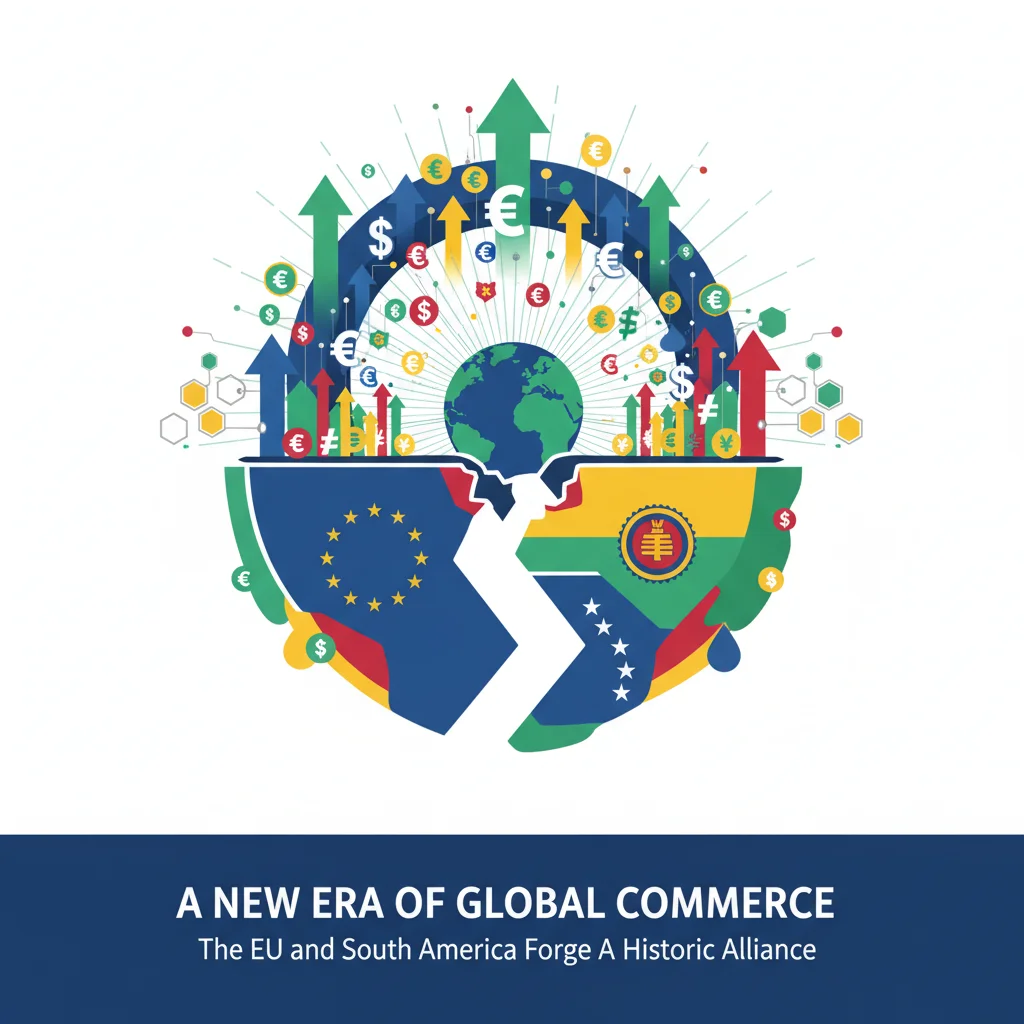
A New Era of Global Commerce: The EU and South America Forge a Historic Alliance
After more than two decades of intricate negotiations, the European Union and the South American Mercosur bloc have finally reached a landmark trade agreement. This monumental deal, one of the largest in the EU’s history, promises to reshape global trade routes, create a market of nearly 800 million people, and unlock a wave of new opportunities for businesses and investors on both sides of the Atlantic. While the initial announcement from sources like the BBC was brief, the implications for the global economy, international finance, and strategic investing are profound and far-reaching.
The agreement aims to slash or eliminate tariffs, simplify customs procedures, and open up markets for goods, services, and government contracts. For the EU, it means greater access for its industrial products, from cars and machinery to pharmaceuticals and luxury goods. For Mercosur—comprising Brazil, Argentina, Uruguay, and Paraguay—it represents a massive opportunity to expand exports of its agricultural powerhouses, including beef, soy, and ethanol. This pact is not merely a transactional exchange of goods; it is a significant geopolitical statement in an era of rising protectionism, aiming to strengthen ties between two major economic regions and champion a rules-based international order.
In this analysis, we will delve into the core components of the EU-Mercosur agreement, explore its macroeconomic ripple effects, identify key sectors poised for growth, and examine the challenges and controversies that still lie ahead. For business leaders, finance professionals, and astute investors, understanding the nuances of this deal is crucial for navigating the evolving landscape of global trading and commerce.
The Anatomy of the Agreement: Deconstructing a 20-Year Negotiation
To appreciate the magnitude of this deal, it’s essential to understand the players and the stakes. The EU stands as one of the world’s largest single markets, while Mercosur is a significant economic force in South America. The journey to this agreement has been a marathon, fraught with political shifts, economic crises, and deep-seated disagreements, particularly over agriculture and environmental standards.
The core of the agreement revolves around the progressive elimination of tariffs. According to the European Commission, the deal is set to remove the vast majority of duties on EU exports to Mercosur, potentially saving European companies over €4 billion in taxes annually. This creates an immediate competitive advantage for European manufacturers in a market that has historically been protected by high import barriers.
Below is a breakdown of the key areas covered by the agreement:
| Agreement Area | Key Provisions and Impact |
|---|---|
| Tariff Reduction | Elimination of high tariffs on EU industrial goods (cars, machinery, chemicals) and key Mercosur agricultural products (orange juice, instant coffee, fruits). Quotas will apply to sensitive products like beef, sugar, and poultry. |
| Market Access for Services | Opens up sectors like telecommunications, financial services, and transport, allowing EU firms to compete on a more level playing field in South America. |
| Public Procurement | Grants EU companies the ability to bid for government contracts in Mercosur countries, a market previously closed to foreign competition. |
| Geographical Indications (GIs) | Protects over 350 high-quality European food and drink products (e.g., Parma ham, Champagne) from imitation, securing their brand value in the Mercosur market. |
| Sustainability & Labor Rights | Includes a dedicated chapter on sustainable development, referencing the Paris Agreement on climate change and fundamental labor rights. However, the enforcement of these clauses remains a point of contention. |
This comprehensive structure aims to create a more predictable and transparent environment for trade and investment, fundamentally altering the economic relationship between the two continents.
FTSE 100 Shatters 10,000: A New Era for UK Markets or a Precarious Peak?
Economic Implications: Opportunities and Headwinds for Investors
The macroeconomic impact of the EU-Mercosur deal will be felt across numerous sectors, creating distinct winners and losers. For investors and financial analysts, identifying these trends early is key to capitalizing on the opportunities. The deal is projected to boost the EU’s GDP significantly over the long term, with some estimates suggesting an increase in the tens of billions of euros.
Sectors to Watch on the Stock Market
- European Automotive & Machinery: Companies like Volkswagen, BMW, Siemens, and Bosch stand to gain immensely. Mercosur’s high tariffs on cars (up to 35%) and machinery will be phased out, making European products far more competitive against rivals from Asia and North America. This could translate into higher sales volumes, increased revenue, and a positive re-rating of their stocks.
- Mercosur Agribusiness: South American agricultural giants are poised for a boom. Increased access to the massive EU consumer market for products like beef, poultry, and soy will drive growth. Investors may look towards publicly traded food producers and exporters in Brazil and Argentina.
- Banking and Financial Services: As trade volumes surge, so will the demand for trade finance, cross-border payment solutions, and investment banking services to facilitate mergers and acquisitions. European banks with a strong international presence are well-positioned to benefit.
- Renewable Energy & Infrastructure: The EU’s emphasis on sustainability, coupled with Mercosur’s vast potential for solar, wind, and biofuels, creates a fertile ground for green investing. European energy companies may seek to invest in South American projects, driving demand for new infrastructure and related services.
Navigating the Controversies: A Balanced Perspective
No trade deal of this scale comes without opposition. As the original BBC report noted, European farmers have been among the most vocal critics. They fear that an influx of cheaper agricultural products from Mercosur, produced under different regulatory and environmental standards, could undercut their livelihoods. The EU Commission has insisted that sensitive products will be managed through carefully calibrated quotas, but concerns about fair competition persist.
Perhaps the most significant hurdle is the environmental question. The agreement was negotiated with clauses tying it to the Paris Agreement, but critics and some EU member states have raised alarms about its potential to accelerate deforestation in the Amazon rainforest, particularly for cattle ranching and soy cultivation. A report by Reuters highlights the EU’s own push for anti-deforestation laws, creating a complex political dynamic where trade ambitions clash with climate goals. The final ratification of the deal will likely hinge on Mercosur countries providing stronger, verifiable commitments to environmental protection.
Finally, the political landscape itself is a challenge. The agreement must be ratified by the European Parliament as well as the national (and in some cases, regional) parliaments of all 27 EU member states and the Mercosur countries. A single “no” vote could derail the entire process, making the final implementation a delicate and uncertain political journey.
China's High-Stakes Gamble: Can an Export Blitz Revive a Stagnant Economy?
The Future Outlook: A New Chapter in Global Economics
The EU-Mercosur trade agreement is more than just a set of tariff schedules; it’s a strategic pillar in a world grappling with supply chain vulnerabilities and geopolitical realignment. If ratified, it will create a powerful economic corridor, fostering integration and driving growth on two continents.
For the investment community, the deal signals a clear direction of travel. It underscores the importance of a globally diversified portfolio and highlights emerging opportunities in sectors ranging from advanced manufacturing to sustainable agriculture. However, it also demands a sophisticated understanding of political risk, regulatory differences, and the growing importance of ESG (Environmental, Social, and Governance) factors in international economics.
While the road to full implementation is paved with challenges, the potential rewards are immense. By bridging the Atlantic, the EU and Mercosur are not just opening markets; they are casting a vote of confidence in a future built on cooperation, open trade, and shared prosperity. Business leaders and investors who prepare for this new reality today will be the ones who thrive in the global economy of tomorrow.
The 2026 Climate Crossroads: Two Major Tests That Will Define the Future of Green Finance

Related Posts
Beyond the Racks: A Financial Autopsy of Saks’s Impending Bankruptcy
The Great Retail Divide: Why Food Feasted and Fashion Famished in the UK’s Christmas Showdown