Beyond the 9-to-5: Unpacking the Hidden Economic Power of the Side Hustle
The New Economic Reality: More Than Just a Hobby
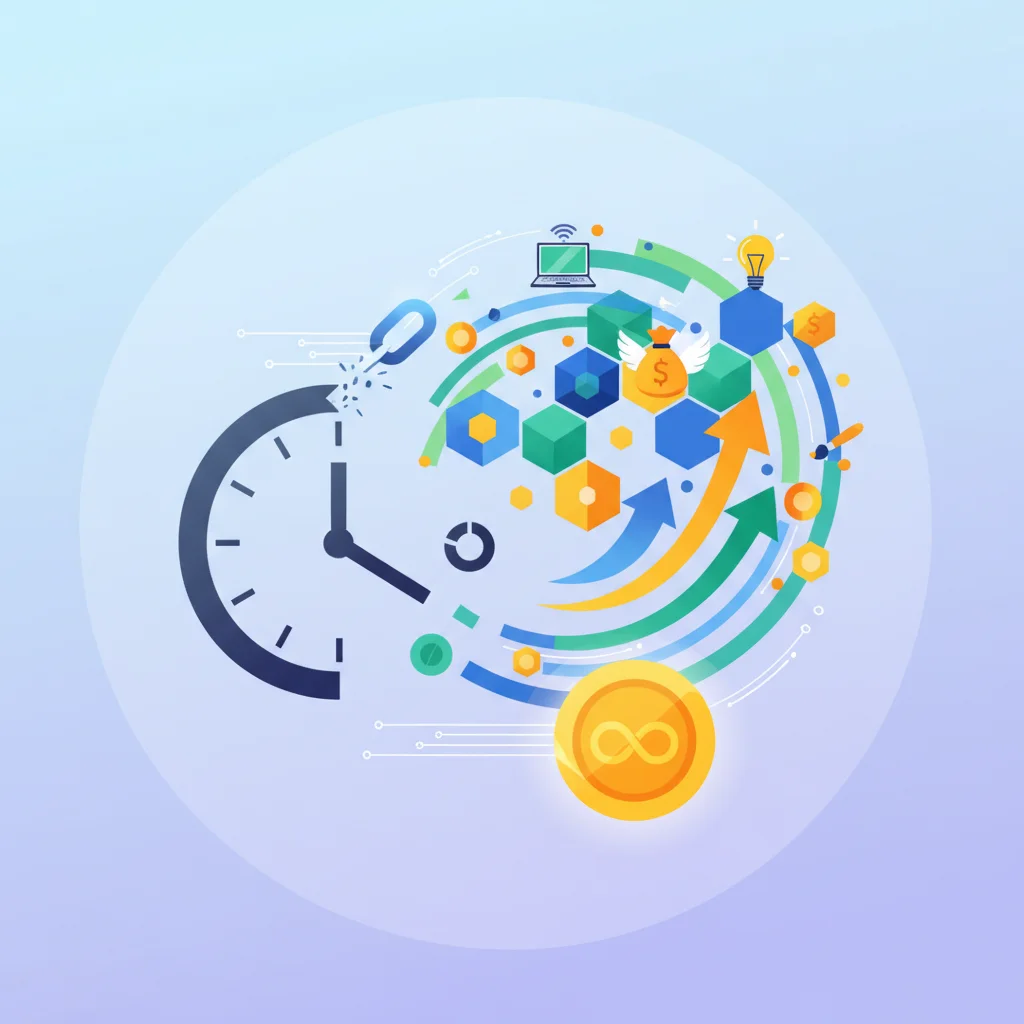
For decades, the bedrock of economic analysis has been the 9-to-5 job. It’s the foundation upon which we measure productivity, calculate GDP, and forecast the health of our economy. But what if this foundation is cracking? A seismic shift is underway, driven not by corporations or governments, but by individuals in their living rooms, garages, and home offices. We’re talking about the rise of the side hustle, a phenomenon that has evolved from a niche way to earn extra cash into a powerful, and largely unmeasured, economic force. This isn’t just about driving for a rideshare app or selling crafts online; it represents a fundamental restructuring of how people earn, save, and invest.
The implications are staggering, touching every corner of the financial world. For economists, it presents a “productivity puzzle” where official numbers may not reflect the true output of the workforce. For governments, it creates a widening “tax gap” as billions in income go unreported. And for those in finance and investing, it signals a new landscape of consumer behavior, market opportunities, and systemic risks. Understanding this parallel economy is no longer optional; it’s essential for anyone looking to navigate the future of work and wealth.
The Scale of the Hustle: A Multi-Billion Dollar Blind Spot
Just how big is the side hustle economy? The precise numbers are elusive—and that’s the entire point. Much of this activity occurs in the gray areas of our financial system. However, survey data provides a compelling glimpse. A 2022 report suggested that as many as 40% of Americans have a side hustle, a figure that has grown steadily over the past decade. This isn’t a uniquely American trend; similar patterns are emerging across developed economies worldwide.
The motivations are as diverse as the hustles themselves. For some, it’s a lifeline in an era of wage stagnation and rising costs. For others, it’s a passion project, a way to monetize a hobby, or a strategic move to build new skills and diversify income streams. The result is a vibrant ecosystem of freelance consultants, content creators, e-commerce entrepreneurs, and gig workers whose economic contributions are often under-recorded. This discrepancy between official data and on-the-ground reality is where the problem begins. Official labor statistics, for instance, might show stagnant wage growth, while failing to capture the supplemental income that is keeping many households afloat.
Why Traditional Economics is Missing the Picture
Our current methods for measuring economic activity were designed for an industrial, analog world. They are simply not equipped to capture the fluid, digital, and often informal nature of the side hustle economy. When an accountant takes on a few freelance clients on the weekend and is paid via a peer-to-peer payment app, does that activity get accurately recorded in the national GDP? Often, the answer is no.
This creates several critical distortions in our understanding of the economy:
- Underestimated GDP: The sum of all goods and services produced is likely higher than reported because a significant portion of service-based side hustles goes unrecorded.
- The Productivity Puzzle: Economists have long been puzzled by sluggish productivity growth. It’s possible that people are more productive than we think, but their extra output is happening “off the books” in their side ventures.
- Inaccurate Inflation and Consumption Data: If a large portion of the population has more disposable income than official wage data suggests, it can warp our understanding of consumer spending power and inflationary pressures.
To illustrate the shift, consider the fundamental differences in how income is generated and tracked in the traditional versus the modern, hustle-inclusive model.
Here is a comparison of these two economic realities:
| Characteristic | Traditional Income Model | Modern “Hustle” Income Model |
|---|---|---|
| Primary Income Source | Single employer (W-2) | Multiple, diverse sources (W-2, 1099, platform payouts) |
| Income Stability | Perceived as stable and predictable | Variable and often less predictable |
| Data Tracking | Easily tracked by government agencies | Difficult to track; often underreported |
| Required Skills | Specialized role-based skills | Broad skillset: marketing, finance, service delivery |
| Financial Services Needed | Standard checking/savings accounts, mortgages | Business banking, invoicing tools, tax software, micro-loans |
The Fintech Revolution: The Engine of the Hustle Economy
This entire movement would be impossible without the explosion in financial technology. Fintech platforms have democratized entrepreneurship, lowering the barrier to entry for millions. Think about the infrastructure required: platforms to connect buyers and sellers (Etsy, Upwork), seamless payment processors (Stripe, PayPal), and accessible trading and investing apps that allow people to put their extra income to work instantly.
This technological layer is what makes today’s side hustle economy different from the informal cash-in-hand jobs of the past. It’s more sophisticated, scalable, and integrated. The banking sector is now playing catch-up, realizing that a person with a modest primary salary might have a complex financial life requiring business-level services. Neobanks and specialized fintech startups are rushing to fill this gap, offering tools for invoicing, tax withholding, and expense management tailored to the solopreneur. Looking ahead, some technologists even argue that blockchain could one day provide a transparent and efficient ledger for tracking and taxing this vast web of micro-transactions, though that remains a distant prospect.
Implications for the Modern Investor and Business Leader
For investors, business leaders, and finance professionals, ignoring the side hustle economy is a critical error. Its rise creates a new set of variables that must be factored into any serious analysis.
- Rethinking Consumer Stocks: When analyzing retail or consumer discretionary stocks, relying solely on national wage and employment data could be misleading. A population with robust, undeclared supplemental income might be more resilient to economic downturns than traditional models predict. This hidden financial cushion could explain surprising strength in consumer spending.
- New Investment Opportunities: The most direct way to invest in this trend is to back the enablers. This includes the publicly traded gig platforms, payment processors, and the fintech companies building the financial toolkit for this new class of workers. The growth of the stock market value of these companies is a testament to the power of this economic shift.
- A Challenge for Lenders: Traditional credit scoring and loan underwriting are based on stable, verifiable W-2 income. A freelancer with a high but variable income may struggle to get a mortgage. This presents a massive opportunity for financial institutions that can develop new models for assessing the creditworthiness of individuals with complex income streams, a challenge the financial industry is actively tackling.
The Growth Paradox: Is Poverty a Cause or a Consequence of Economic Stagnation?
The Policy Conundrum: The Tax Man Cometh
While the side hustle empowers individuals, it presents a formidable challenge for governments. The Organisation for Economic Co-operation and Development (OECD) has noted that undeclared work can account for a significant portion of an economy, with some estimates placing it as high as 10-20% in certain developed nations. This translates into hundreds of billions in lost tax revenue, straining public services and increasing the burden on traditional taxpayers.
Governments are fighting back. The IRS in the United States, for example, has implemented new rules requiring payment platforms to report transactions for goods and services over a certain threshold. However, enforcement is complex and often a step behind the technology. The core of the issue is a mismatch between 20th-century tax codes and a 21st-century workforce. A radical rethinking of tax policy, focusing on transaction-based reporting and simplified filing for micro-businesses, will be necessary to bridge this growing gap.
Uncorking the Economy: Why Jim Beam's Production Halt Was a Sobering Signal for Investors
Conclusion: Embracing the New Economic Architecture
The rise of the side hustle is more than a passing trend; it is a permanent feature of our modern economic architecture. It is the result of powerful technological, cultural, and economic forces that are fundamentally reshaping the relationship between individuals and work. While it creates significant challenges for the established worlds of economics and public finance, it also unlocks immense opportunity.
For individuals, it offers a path toward greater financial resilience and personal fulfillment. For businesses and investors, it opens up new markets and demands new products and services. The key is to look beyond the official data and recognize the vibrant, complex, and powerful shadow economy that is now stepping into the light. The businesses, investors, and policymakers who understand and adapt to this new reality will be the ones who thrive in the decades to come.