The AI Boom’s Dirty Secret: Why Data Centers Are Firing Up Jet Engines
We’re living in the golden age of artificial intelligence. From chatbots that write poetry to algorithms that design life-saving drugs, AI is reshaping our world at a breathtaking pace. This revolution, powered by sophisticated software and machine learning models, feels ethereal, happening somewhere in the “cloud.” But what if I told you the future of AI might depend on the very same technology that powers a Boeing 747?
It sounds like science fiction, but it’s the new reality for a growing number of data centers. The insatiable energy appetite of AI has created a colossal problem: our electrical grids can’t keep up. Faced with multi-year delays to get connected to the grid, tech giants are turning to a surprising, brute-force solution: firing up massive, on-site gas turbines derived from aircraft engines to power their AI ambitions. It’s a fascinating and concerning tale of innovation meeting infrastructure, and it reveals a critical bottleneck in the race for AI dominance.
The AI Power Paradox: Digital Brains, Physical Brawn
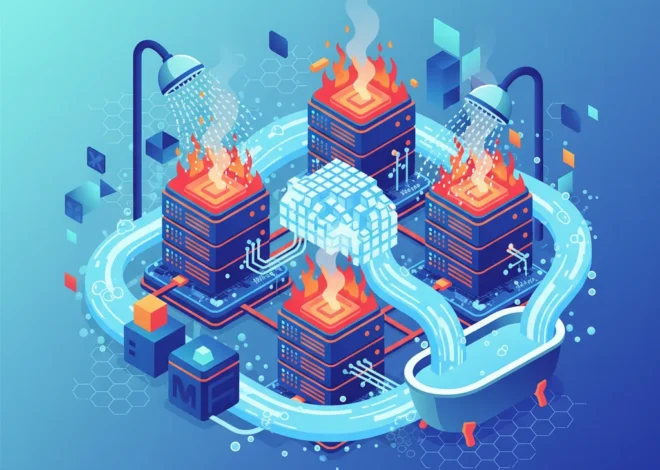
First, let’s talk about why AI is so power-hungry. Every time you ask a generative AI to create an image or summarize a document, you’re kicking off a chain reaction of incredibly complex calculations. Training a large language model (LLM) or a sophisticated machine learning algorithm requires thousands of specialized GPUs (Graphics Processing Units) running simultaneously for weeks or months on end. This isn’t like running a simple SaaS application; it’s like running a digital blast furnace.
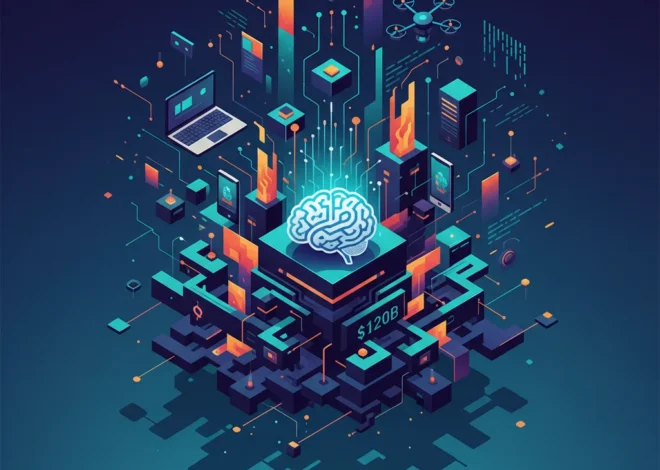
The result? Data centers, the physical homes of the cloud, are seeing their power demands skyrocket. A typical data center might consume 30-50 megawatts (MW) of power, enough for tens of thousands of homes. But a new AI-focused data center campus can require 500MW or more—approaching the output of a small nuclear power plant. This explosive growth in demand has slammed headfirst into the slow-moving, heavily regulated world of public utilities and energy grids.
The Great Gridlock: A Multi-Year Waiting List for Power
Imagine you’re a startup or a tech giant ready to launch a groundbreaking new AI service. You’ve secured funding, hired the best programming talent, and built the software. There’s just one problem: you can’t get the electricity to turn it on. That’s the reality many data center developers are facing. Connecting a new, large-scale facility to the electrical grid is a monumental task involving permits, environmental reviews, and the physical construction of new substations and high-voltage transmission lines.
In high-demand areas like Northern Virginia, the world’s largest data center market, developers are being told they might have to wait until 2026 or later for a new grid connection. In a tech landscape where months feel like years, a multi-year delay is a death sentence for innovation. The speed of software development has completely outpaced the speed of our physical infrastructure development. This gridlock is a critical threat to the entire ecosystem, from enterprise cloud services to consumer-facing AI applications.
The New Cold War is Digital: Unpacking the UK Government Hack and What it Means for Tech
An Unlikely Hero: The Aeroderivative Gas Turbine
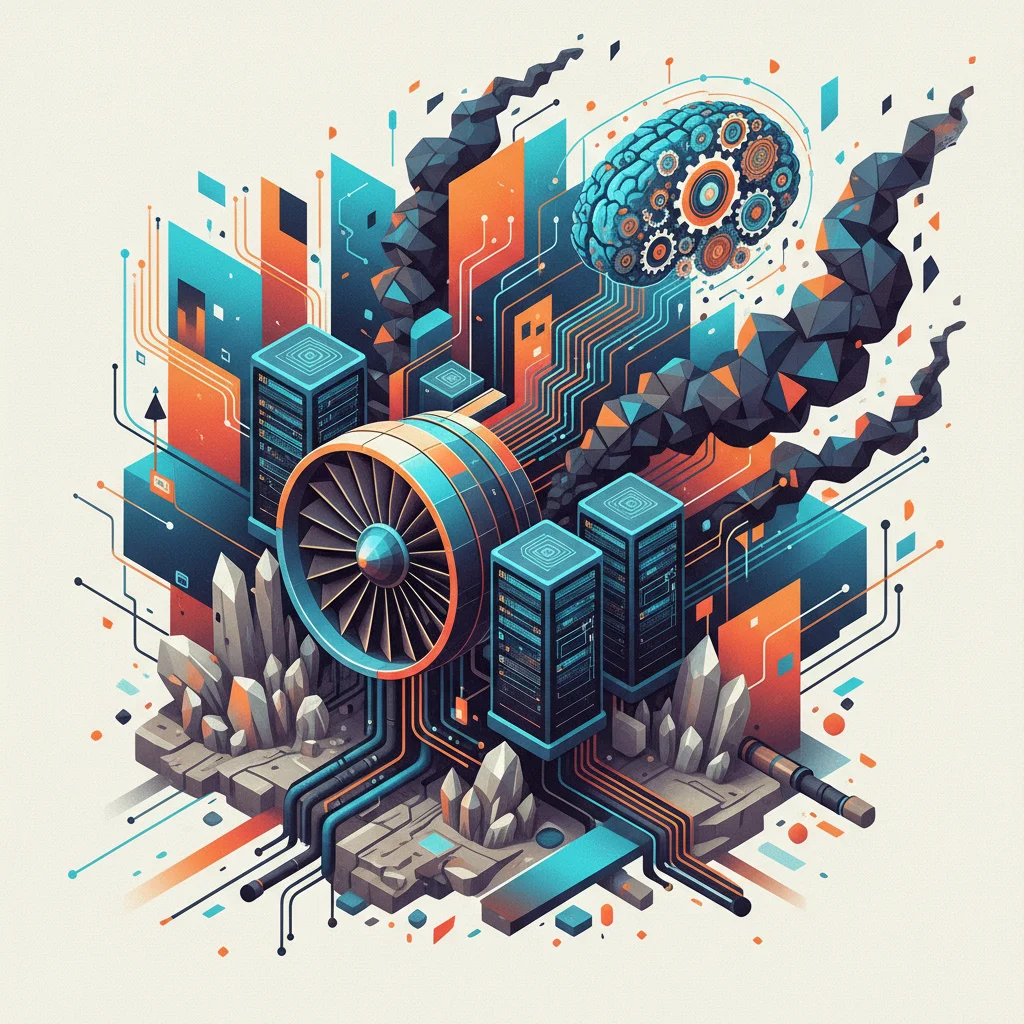
So, what do you do when you can’t wait for the grid? You build your own power plant. And the fastest way to do that is by using “aeroderivative” gas turbines—essentially, jet engines re-engineered to generate electricity on the ground instead of thrust in the air.
Companies like GE Vernova are seeing a surge in demand for units like their LM2500, a turbine based on the same engine that has powered military jets and naval destroyers for decades. These units are relatively small, can be deployed in a matter of months instead of years, and can be scaled up as needed. For a data center developer, this is a game-changer. They can bypass the grid queue and start powering their AI servers almost immediately.
Microsoft is one of the tech giants reportedly exploring this path to power a data center in the Netherlands (source). It’s a pragmatic solution to a pressing problem. But this speed and flexibility come at a significant cost.
To put the choice into perspective, here’s a simplified comparison between relying on the grid and deploying on-site turbines:
| Factor | Traditional Grid Connection | On-Site Gas Turbines |
|---|---|---|
| Deployment Time | 2-5+ years | 6-12 months |
| Efficiency | High (powered by large, efficient combined-cycle plants) | Lower (smaller scale, less efficient open-cycle operation) |
| Environmental Impact | Varies by grid mix (increasingly includes renewables) | Direct fossil fuel (natural gas) emissions on-site |
| Operational Control | Dependent on utility provider | Full control over power generation and reliability |
| Initial Cost | High connection fees, but leverages existing infrastructure | Very high capital expenditure for turbine hardware |
A Deal with the Devil? The Hidden Costs of Speed
While on-site turbines solve the immediate problem of getting power, they introduce a host of new challenges. These smaller units are significantly less efficient than the massive, combined-cycle power plants that form the backbone of the national grid. This means they burn more natural gas and produce more carbon emissions per megawatt of electricity generated. For companies that have made ambitious public commitments to sustainability and carbon neutrality, this is a difficult pill to swallow.
Furthermore, it complicates the operational landscape. Data centers now have to become miniature utility companies, managing fuel supply chains, turbine maintenance, and local emissions regulations. This also raises cybersecurity concerns. While a centralized grid has its vulnerabilities, a proliferation of thousands of privately-owned micro-power plants creates a much larger and more complex attack surface for malicious actors to target, potentially disrupting critical cloud infrastructure.
TikTok's Digital Iron Curtain: How ByteDance Averted a US Ban and Redefined Global Tech
What This Means for the Future of Tech, Startups, and Innovation
This power crunch isn’t just a problem for hyperscalers like Amazon, Google, and Microsoft. It has ripple effects across the entire technology ecosystem.
- For Startups: The rising cost and complexity of the underlying cloud infrastructure could lead to higher prices for AI APIs and computing resources. Startups in the AI space will need to be hyper-efficient with their programming and model optimization to manage burn rates.
- For Software and SaaS: Companies building the next generation of automation tools and SaaS platforms will need to consider the energy footprint of their services. “Green computing” and energy-aware software design will shift from being a niche interest to a core business imperative.
- For Innovation: This bottleneck could spur a new wave of innovation in hardware and energy. We’re likely to see massive investment in more energy-efficient AI chips, advanced cooling technologies, and alternative power sources like hydrogen fuel cells, geothermal energy, and even small-scale nuclear reactors. The problem is creating a market for new solutions.
The race for AI supremacy is no longer just about who can write the smartest code or build the biggest machine learning model. It’s now also about who can secure the sheer physical power needed to bring those models to life. The digital and physical worlds have collided, and the shockwaves are just beginning to be felt.
The turn to jet engines is a testament to human ingenuity in the face of a stubborn problem. But it’s a stopgap, not a sustainable long-term solution. It serves as a loud, roaring wake-up call that the future of artificial intelligence is inextricably linked to the future of energy. As we build our intelligent future in the cloud, we must not forget the steel, concrete, and copper on the ground that make it all possible.
Beyond the Ban: How TikTok's New Deal Rewrites the Rules for AI, Cloud, and Global Tech