The Art Market’s Paradox: Decoding the Revival for the Modern Investor
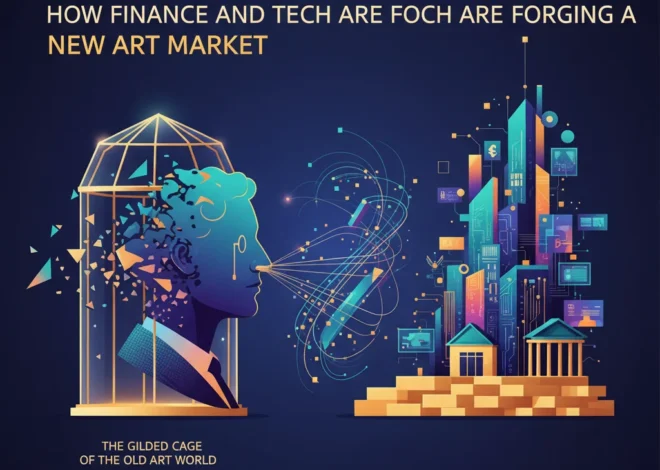
In the intricate world of high-stakes finance and alternative investments, the art market has long been a subject of fascination and speculation. Often seen as a barometer for the health of the ultra-wealthy, its movements can offer subtle clues about the broader economy. Recent headlines, including a pivotal report from the Financial Times, suggest a market revival. Yet, a closer look reveals a far more complex and fascinating narrative—one of profound transformation, not just recovery.
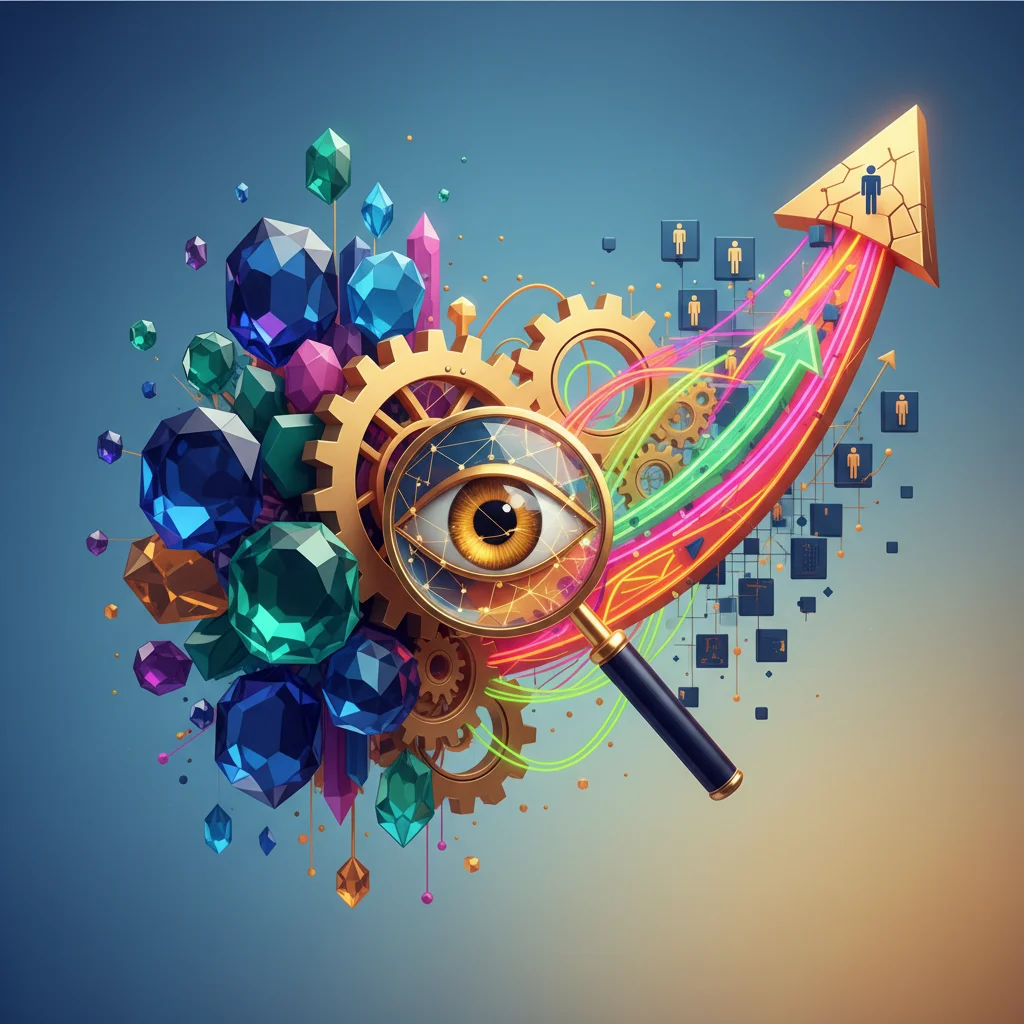
While top-line numbers might hint at a return to form after a period of correction, the real story lies beneath the surface. The art world is experiencing a seismic shift in taste, a generational handover of cultural and financial capital that is redefining what we value and why. For investors, finance professionals, and anyone interested in the intersection of culture and economics, understanding this paradigm shift is no longer optional; it’s essential for navigating the opportunities and risks of this new landscape.
The Deceptive Numbers: A Market of Contrasts
At first glance, the data appears optimistic. The latest Art Basel and UBS Global Art Market Report points to a 4% increase in global art sales in 2023, reaching an estimated $67.8 billion (source). This growth, following a contraction in the previous year, seems to signal a resilient market. However, this aggregate figure masks significant turbulence and regional disparities. The world’s largest art market, the United States, actually saw its sales fall by 10%, while China surged past France to reclaim its position as the second-largest market globally.
This isn’t a simple recovery; it’s a structural realignment. The high-end of the market, particularly works valued over $10 million, experienced a significant slowdown. This indicates that while more transactions may be happening, the blockbuster sales that previously drove headlines are becoming scarcer. This divergence between volume and value is a critical indicator for anyone involved in finance and investing, suggesting a market that is broadening rather than simply growing taller.
The 8 Billion Rejection: Why Warner Bros. Is Slamming the Door on Paramount's Mega-Merger
The Great Rotation: From Old Masters to New Voices
The most profound change documented is not in the numbers, but in the names. The traditional pillars of the art market—the Impressionists, the Moderns, the Old Masters—are facing a crisis of relevance among a new generation of collectors. Works by artists like Picasso, Monet, and Rembrandt, once the unshakeable blue-chips of the art world, are no longer the automatic choice for today’s buyers.
Instead, we are witnessing a powerful rotation into contemporary and ultra-contemporary art. This isn’t just a trend; it’s a reflection of deep-seated cultural and economic shifts:
- Cultural Resonance: Younger collectors, whose wealth often comes from technology and modern finance, are seeking art that speaks to their own time. They are drawn to living artists who are grappling with contemporary issues of identity, technology, and society.
- New Aesthetics: The visual language of the 21st century, shaped by digital media and global connectivity, is vastly different from that of the 19th or 20th. New collectors are more comfortable with and excited by new media, diverse voices, and challenging concepts.
- Investment Dynamics: While Old Masters are seen as stable, their growth potential can be limited. Contemporary art offers higher risk but also the potential for exponential returns, an asymmetric risk/reward profile that is familiar and attractive to those accustomed to venture capital and the fast-paced stock market.
This shift is clearly visible in auction results and gallery exhibitions. The focus has moved from established, deceased artists to a vibrant, and often more speculative, market for living artists. To illustrate this market fragmentation, consider the performance across different segments.
| Market Segment | Key Trend | Implication for Investors |
|---|---|---|
| High-End (>$10M) | Significant decline in sales volume | Reduced liquidity and reliance on “trophy” assets. Caution is advised. |
| Post-War & Contemporary | Remains the largest sector by value, but with slowing growth | Core of the modern portfolio, but selectivity is increasingly crucial. |
| Ultra-Contemporary (Artists under 40) | High speculation and volatility, but continued interest | High-risk, high-reward. Akin to investing in tech startups; requires deep expertise. |
| Old Masters & Impressionists | Declining market share and collector interest | May offer value for contrarian investors, but lacks momentum of other sectors. |
Art as an Economic Indicator: Reading the Tea Leaves
For centuries, the art market has been a playground for the wealthy, making it a sensitive, albeit niche, indicator of economic sentiment at the highest levels. When corporate profits are high and the stock market is booming, discretionary spending on luxury assets like art tends to follow. Conversely, during economic downturns, this is often the first area where spending is curtailed.
The current market’s mixed signals align with the broader macroeconomic environment of cautious optimism. While fears of a deep recession have subsided, high interest rates and geopolitical uncertainty continue to weigh on investor confidence. The pullback in the >$10 million segment of the art market is a direct reflection of this caution. The ultra-wealthy are still willing to buy, but they are becoming more selective and price-sensitive, a behavior pattern echoed in M&A activity and corporate capital expenditure across the global economy.
For professionals in finance, observing these trends provides a valuable, qualitative layer of data. It’s a glimpse into the risk appetite of the world’s most significant economic actors, offering clues that might not yet be visible in traditional economic reports.
The Great Economic Rewind: Decoding the Trump Campaign's High-Stakes Bet on Nostalgia
An Investor’s Guide to the New Art Market
So, how should an investor approach this evolving landscape? The old rules no longer suffice. Simply buying a famous name is not a guaranteed path to returns. A modern approach to art investing requires a blend of financial discipline and cultural literacy.
- Specialize and Research: The market is fragmenting into countless sub-sectors. Whether your interest is in emerging African artists, digital art, or post-war Japanese photography, deep knowledge is your greatest asset. Treat it with the same rigor as equity research.
- Understand Illiquidity: Unlike trading stocks, selling a major piece of art can take months or even years. It is not a liquid asset. Capital can be tied up for long periods, a crucial factor that must be integrated into any comprehensive financial plan.
- Factor in a “Passion Dividend”: Art offers a unique return that doesn’t appear on a balance sheet: the joy of ownership. Many of the most successful collectors buy what they love first and foremost. This “passion dividend” can offset the financial risks and long holding periods.
- Leverage Technology: Explore new fintech platforms that provide market data, analytics, and even fractional ownership. These tools, born from the world of modern financial technology, are making the opaque art market more transparent and accessible than ever before.
The caution urged by experts is not a warning to stay away, but an invitation to engage more intelligently. The revival is real, but it’s happening on new terms, dictated by a new generation with new values. For those in banking, finance, and investing, the art market offers more than just another alternative asset; it provides a compelling case study in how technology, demographics, and economics are reshaping our world.
The Erasmus+ Reroute: Why the UK's Potential Return is a Major Signal for the Economy and Investors
Conclusion: A New Masterpiece in the Making
The art market is not merely reviving; it is being reborn. The headline growth figures are just a small part of a much larger story about the transfer of wealth, the evolution of taste, and the impact of technology on a centuries-old market. The decline of the old guard and the rise of the new is not a sign of weakness, but of dynamism. It’s a market that is becoming more complex, more diverse, and arguably, more reflective of the world we live in today.
For the savvy investor, this period of transformation presents a unique opportunity. It demands more than just capital; it demands curiosity, caution, and a willingness to look beyond the gilded frame. The masterpiece of the 21st-century art market is still being painted, and for those who can read the brushstrokes, the potential rewards are as significant as ever.

Related Posts
A £2.5 Million Question: Unpacking the UK’s Major Shift in Farm Inheritance Tax
The Angel’s Share Gets Too Large: Navigating the Investment Risks and Opportunities in the Scotch Whisky Glut