FIFA’s Grand Return: How Netflix and AI are Rebooting the World’s Biggest Sports Game
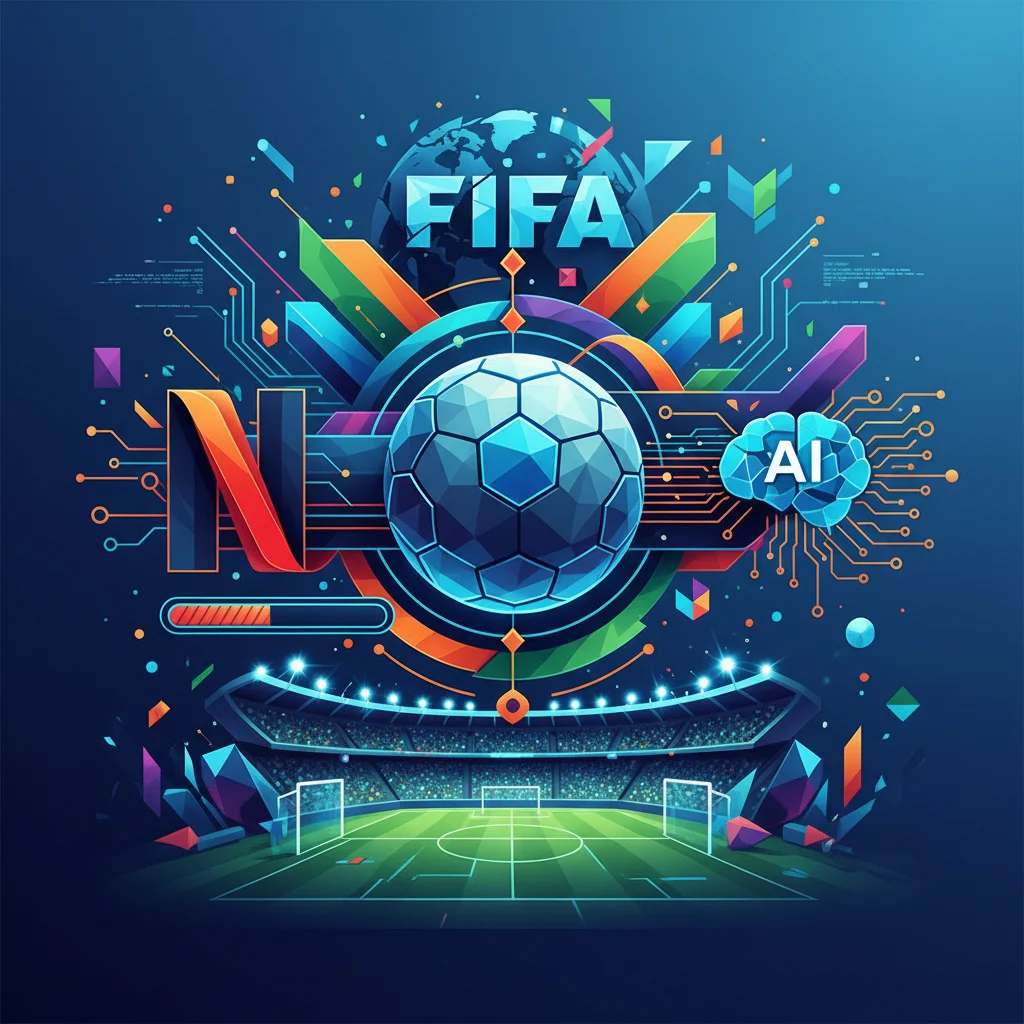
The beautiful game is coming home, but not to the home you remember. After a four-year hiatus that left a noticeable void in the sports gaming world, the official FIFA-branded video game is set to make a triumphant return. But this isn’t a simple comeback; it’s a revolutionary reboot. According to a stunning announcement, the new FIFA game will be a Netflix exclusive, developed by a new, tech-forward studio named Delphi Interactive, and is slated for release just in time for the 2026 World Cup.
This news is more than just a headline for football fans. It’s a seismic event for developers, entrepreneurs, and tech professionals, signaling a major shift in how AAA titles are developed, distributed, and monetized. The partnership between a global streaming giant and a seemingly nimble new studio to resurrect one of the most iconic IPs in entertainment is a masterclass in modern disruption. It’s a story about the power of the cloud, the promise of artificial intelligence, and a bold bet on a subscription-based future. Let’s break down why this is one of the most important tech stories in gaming today.
A League of Their Own: The EA-FIFA Split and the Opportunity It Created
To understand the magnitude of this news, we need to rewind the clock. For nearly 30 years, the names “FIFA” and “EA Sports” were synonymous. Their partnership produced a multi-billion dollar franchise that defined a genre. However, in 2022, that historic partnership dissolved. The split, reportedly over FIFA’s desire for a significantly higher licensing fee and more control over the brand, left the gaming world stunned. EA Sports confidently moved forward, rebranding its beloved franchise as EA Sports FC, retaining the vast majority of its official league, club, and player licenses.
Many believed this was the end of the FIFA name in high-end gaming. Yet, FIFA President Gianni Infantino vowed the name would return, promising a new game that would be “the best e-game for any girl or boy.” For a while, this felt like bluster. But the new partnership with Netflix and Delphi Interactive proves it was a calculated strategy. The void left by EA created a once-in-a-generation opportunity for a new player to enter the market, armed with a globally recognized brand and a clean slate for innovation.
The New Power Players: Netflix’s Ambition and Delphi’s Tech-First Approach
This comeback story is powered by two very different, yet complementary, forces. On one side, you have Netflix, the undisputed king of streaming, aggressively pushing into gaming to retain subscribers and create new revenue streams. According to some reports, Netflix plans to spend upwards of $1 billion a year on its gaming initiatives. Acquiring an exclusive license for FIFA is a statement of intent—a clear signal that they are not just experimenting, but are here to compete at the highest level.
On the other side is Delphi Interactive. While a new name to many, industry insiders describe them as a collective of veteran developers and engineers from major tech and gaming companies, specifically assembled for this project. Their mandate is not to clone the past but to build the future. Their core philosophy is rumored to be built around three pillars: a cloud-native architecture, deep integration of artificial intelligence, and a sustainable, player-friendly business model.
This partnership leverages the core strengths of each entity:
- Netflix’s Global Cloud Infrastructure: With millions of subscribers and a robust global server network, Netflix can deliver a seamless online experience, push instant updates, and potentially even stream the game directly, removing the need for expensive hardware. This is a massive advantage in deploying and scaling a global software product.
- Delphi’s Technological Focus: Freed from the legacy code of a 30-year-old franchise, Delphi can build a new engine from the ground up. This allows them to fully leverage modern programming paradigms and bake in advanced systems for AI and machine learning from the very beginning.
The New Digital Silk Road: Why Amazon and Microsoft Are Pouring Billions into India's AI Future
Under the Hood: How AI, Cloud, and SaaS Will Redefine the Pitch
What will actually make the new FIFA different? The answer lies in the technology that simply wasn’t mature a decade ago. This new game is poised to be a showcase for cutting-edge tech, fundamentally changing how a sports game plays and feels.
The AI Revolution in Gameplay
For years, sports game AI has been based on complex but ultimately predictable scripts. The new FIFA aims to shatter that mold by using machine learning. Instead of pre-programmed plays, imagine an AI that learns from millions of online matches, adapting its tactics in real-time. This could lead to:
- Dynamic Team Tactics: An opponent that recognizes your play style and actively counters it, forcing you to change your strategy mid-match.
- Hyper-Realistic Player Behavior: Players who make intelligent off-the-ball runs, find space, and react to the flow of the game with human-like intuition, not just programmed triggers.
- Procedural Commentary and Storylines: Using generative AI, the game could create dynamic commentary that reflects the unique story of your match or season, moving beyond repetitive, canned lines.
The use of such advanced AI represents a monumental leap in creating a truly emergent and unpredictable gameplay experience. This focus on intelligent automation of in-game entities will be a key differentiator.
A Cloud-Native, SaaS-Powered Experience
The fact that this is a Netflix exclusive strongly implies a shift from a product you buy to a service you access. This SaaS (Software as a Service) model, powered by the cloud, has profound implications. The global cloud gaming market is projected to reach over $8 billion by 2025, and this move places FIFA at the heart of that trend.
Below is a comparison of the traditional model versus the potential new paradigm:
| Feature | Traditional Model (e.g., EA Sports FC) | Potential Netflix/Delphi Model |
|---|---|---|
| Distribution | Annual boxed/digital purchase ($70+) | Included with Netflix subscription (or premium tier) |
| Monetization | Heavy focus on microtransactions (e.g., Ultimate Team packs) | Potentially cosmetic-only microtransactions or none at all, focusing on subscriber retention |
| Updates | Major updates tied to annual releases; rosters reset yearly | Continuous, rolling updates via the cloud; the game evolves over time (live service) |
| Platform | Requires powerful console or PC hardware | Potentially playable on any device via cloud streaming |
Cybersecurity: The Unseen Defender
With a global, cloud-based platform comes a monumental cybersecurity challenge. For a game of this scale, protecting against cheating, account theft, and server attacks is paramount. Delphi Interactive will need to build a robust security infrastructure from the ground up, likely employing AI-driven threat detection to identify and neutralize bad actors in real-time. For startups and developers, this project will become a key case study in securing a massive, decentralized digital ecosystem.
The Burnout Broadcast: Decoding the Dark Side of the Creator Economy
Implications for the Broader Tech and Gaming Landscape
The return of FIFA is more than just a win for gamers; it’s a disruptive event with lessons for the entire tech industry.
- For Entrepreneurs & Startups: This is a powerful example of how a well-funded, agile startup (Delphi) can challenge an incumbent giant by leveraging a powerful distribution partner (Netflix) and focusing on technological innovation. It underscores the value of identifying market gaps created by the strategic shifts of major corporations.
- For Developers: The project’s emphasis on a modern tech stack—cloud-native design, deep AI/ML integration, and potentially new programming frameworks—will set a new standard for sports simulation. It will attract top-tier talent and push the entire genre to evolve beyond its iterative comfort zone.
- For the Future of Entertainment: This move blurs the lines between streaming services and game publishers. If successful, expect other media giants to pursue similar exclusive, high-profile gaming IPs, transforming the subscription-based entertainment bundle into a one-stop-shop for movies, TV, and AAA gaming.
Australia's Teen Social Media Ban: A Compliance Nightmare or a Gold Rush for AI Startups?
The Whistle is About to Blow
The road to the 2026 World Cup is long, and the challenge facing Netflix and Delphi Interactive is immense. They aren’t just building a game; they are building an ecosystem, a service, and a community from scratch, all while competing against one of the most successful and entrenched franchises in history.
However, by embracing a future built on cloud computing, powered by intelligent AI, and delivered through an innovative SaaS model, they have a genuine opportunity to redefine what a sports video game can be. This isn’t just about pixels on a screen. It’s about a fundamental shift in technology, business, and the very culture of gaming. The pitch is ready, the players are in position, and the whole world is watching.