X’s €120M Blue Tick Blunder: A Costly Lesson in Digital Trust and a Warning for All Tech
The Price of a Checkmark: Why a €120 Million Fine is Just the Tip of the Iceberg
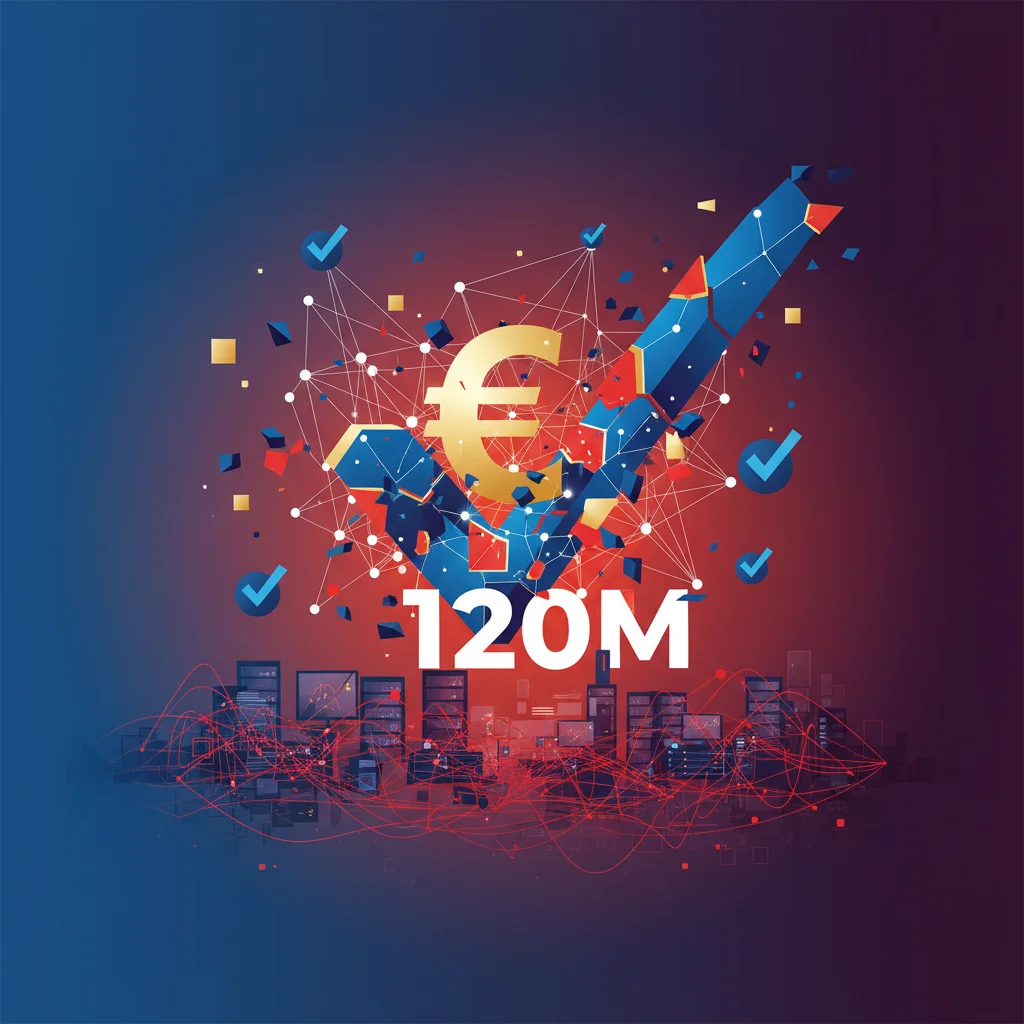
In the fast-paced world of tech, headlines about nine-figure fines can sometimes feel like background noise—just another cost of doing business for a multi-billion dollar giant. But the European Commission’s recent €120 million fine against Elon Musk’s X is different. This isn’t just about a hefty financial penalty; it’s a landmark moment that signals a fundamental shift in how we govern our digital spaces. The charge? That X’s paid verification system, the infamous “blue tick,” is a ‘deceptive’ practice that has thrown the doors wide open to a flood of scams, disinformation, and impersonations.
For developers, entrepreneurs, and tech professionals, this story is more than just social media drama. It’s a critical case study in the collision of aggressive monetization strategies, user safety, and a new era of stringent regulation. It raises profound questions about the value of digital identity, the role of cybersecurity in platform design, and the immense challenges platforms face in an age where artificial intelligence can create convincing fakes at an unprecedented scale. Let’s break down what happened, why it matters, and what the aftershocks will be for the entire tech ecosystem.
From Status Symbol to Security Risk: The Devaluation of the Blue Tick
To understand the gravity of the situation, we need to remember what the blue checkmark used to be. For years on Twitter, it was a coveted symbol of authenticity. It was granted—not sold—to public figures, journalists, organizations, and experts after a verification process. It was a simple, effective signal to users: “This account is who it says it is.” It was a foundational element of trust on the platform.
Then came the pivot. Under new ownership, X transformed the blue tick from a verification badge into a premium feature. For a monthly fee, anyone could get a blue checkmark, effectively dismantling the platform’s own system for identifying credible sources. The European Commission’s investigation found this change to be profoundly ‘deceptive.’ As they noted, the platform failed to adequately inform users that the checkmark no longer signified authenticity, but simply a paid subscription. According to a report from the Tech Transparency Project, this change was almost immediately exploited, with a surge in impersonator accounts targeting brands and public figures (source).
This move commercialized trust, turning a safety feature into a SaaS (Software as a Service) product. The consequence? A chaotic information environment where scammers could purchase instant credibility, making it nearly impossible for the average user to distinguish between a legitimate corporate announcement and a sophisticated phishing attempt.
AI vs. Antitrust: Why Getty's Standoff with Regulators is a Warning for All of Tech
Enter the Digital Services Act (DSA): Europe’s New Rulebook for Big Tech
The €120 million fine wasn’t levied in a vacuum. It’s one of the first major enforcement actions under the European Union’s groundbreaking Digital Services Act (DSA). The DSA is a sweeping piece of legislation designed to hold “Very Large Online Platforms” (VLOPs) accountable for the content on their sites. It moves away from the old model of self-regulation and imposes strict obligations regarding content moderation, transparency, and risk mitigation.
Under the DSA, platforms like X are required to assess and mitigate systemic risks, including the dissemination of illegal content and disinformation. The EU’s argument is that by creating a pay-for-play verification system, X not only failed to mitigate risks but actively created a new, massive one. The platform’s design choice directly enabled bad actors, a clear violation of the DSA’s core principles. As stated by the European Commission, the goal of the DSA is to create a “safer and more transparent online environment,” a mandate that X’s blue tick system appears to have directly contradicted.
This enforcement action is a powerful message to all tech companies, especially startups with global ambitions: The days of “growth at all costs” are over, particularly in the European market. Product design, software architecture, and monetization strategies must now be viewed through the lens of regulatory compliance and user safety from day one.
Table: A Tale of Two Ticks – Legacy vs. Premium Verification
To fully grasp the change, let’s compare the old and new systems side-by-side. The differences highlight why regulators became so concerned.
| Feature | Legacy Twitter Verification (Pre-2023) | X Premium Verification (Current) |
|---|---|---|
| Purpose | To confirm the authenticity of accounts of public interest. | To provide premium features to paying subscribers. |
| Primary Requirement | Notability and authenticity, verified by Twitter staff. | A valid payment method and phone number. |
| Cost | Free. | Monthly subscription fee. |
| Trust Signal | High. It was a reliable indicator of a genuine account. | Low/Confusing. Indicates payment, not authenticity. |
| Vulnerability to Scams | Low. The vetting process was a significant barrier. | Extremely High. Scammers can purchase perceived legitimacy. |
The Cybersecurity Fallout: How AI and Automation Amplify the Threat
The “deceptive” blue tick system is a dream come true for cybercriminals. It provides them with an instant cloak of legitimacy. Imagine a scenario: a malicious actor uses an AI image generator to create a realistic but fake profile picture of a financial analyst. They write a convincing bio, buy a blue tick from X, and start promoting a fraudulent crypto investment. To the unsuspecting user, the blue tick lends an air of authority, significantly increasing the scam’s success rate.
This is where machine learning and automation become terrifyingly effective. Scammers can automate the creation of thousands of these verified-looking accounts, running large-scale disinformation or phishing campaigns that would have been impossible just a few years ago. They can use AI-powered bots to amplify their fraudulent messages, drowning out legitimate voices.
This creates a massive challenge for corporate cybersecurity teams. How do you monitor brand impersonation when the platform’s own verification system is compromised? It forces a shift from relying on platform signals to deploying sophisticated third-party monitoring tools—often powered by their own AI models—to scan for fake accounts. This is a new, costly front in the war against digital fraud, with implications for every company with a public presence.
The 10,000-Year Clock: What Jeff Bezos's Epic Project Teaches Us About Building Software That Lasts
Implications for Startups, Developers, and the Future of Programming
While X is the one in the hot seat, the ripple effects touch the entire tech industry. For startups in the social media or creator economy space, the regulatory landscape has just become far more treacherous. The “move fast and break things” ethos is now a direct path to massive fines. Founders and product managers must now incorporate regulatory risk and trust/safety principles into their core product development lifecycle.
For developers and those involved in programming, the unreliability of platform-native identity signals is a technical nightmare. If you’re building an app that uses the X API to verify a user’s identity or pull in “trusted” content, how can you do that now? The blue tick is no longer a reliable data point. This will spur innovation in the digital identity space, pushing developers to seek out more robust, decentralized, or multi-factor verification solutions that don’t depend on a single, compromised platform.
We’re likely to see a boom in new services built on the cloud, offering “Verification-as-a-Service” and using advanced machine learning algorithms to analyze account behavior, network connections, and content patterns to generate a more reliable trust score. The problem X created has inadvertently opened up a massive market for a new generation of cybersecurity and identity management software.
India's Fintech Tsunami: Why Pine Labs' Chief Says It's Already Beaten China
The Road Ahead: Rebuilding Trust in the AI Era
The X fine is not an isolated event. It’s a clear indicator of the path forward. As artificial intelligence makes it easier and cheaper to generate deceptive content—from fake news articles to deepfake videos—the need for reliable digital watermarks and identity verification will become paramount. The simple, centralized blue checkmark is an artifact of a simpler internet. It’s no longer sufficient for the complexities of our modern digital world.
The future of online identity will likely be a mosaic of technologies. It could involve decentralized identifiers (DIDs) that give users control over their own verification, cryptographic signatures for content, and behavioral biometrics analyzed by AI to detect bot-like activity. The platforms that succeed will be those that invest in this complex, multi-layered approach to trust, rather than those that try to sell it as a cheap add-on.
Ultimately, the €120 million fine is a costly but necessary lesson. It reminds us that trust is the most valuable asset on the internet. Once broken, it’s incredibly difficult and expensive to rebuild. For every developer, entrepreneur, and tech leader, the message is clear: build your products, your platforms, and your software on a foundation of genuine trust and safety. In the new regulatory environment, it’s not just good ethics—it’s the only sustainable business model.