AI vs. Artist: The Jorja Smith Case and the Future of Musical Identity
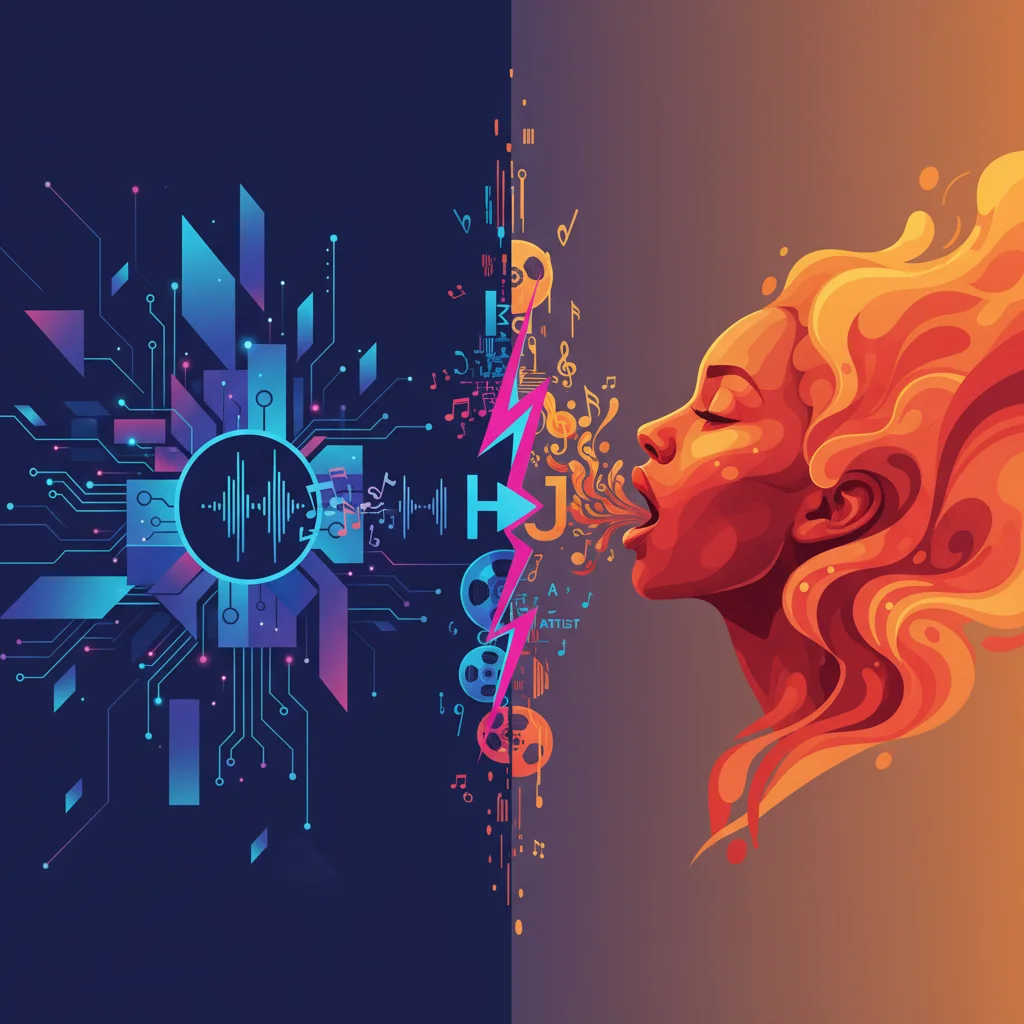
It started with a beat. A catchy, hypnotic dance track called “I Run” by an artist named Haven began making waves, quickly finding its way onto playlists and TikTok feeds. But for fans of the award-winning British singer Jorja Smith, the soulful, raspy voice on the track sounded a little too familiar. It wasn’t just similar; it was a near-perfect echo. Soon, whispers turned into accusations, and the song vanished from streaming platforms, leaving a storm of controversy in its wake.
Jorja Smith’s record label, FAMM, has publicly claimed that the track was created using an unauthorized “AI clone” of her voice, trained on her extensive catalog. As reported by the BBC, the label stated they have “irrefutable evidence” to support their claim, calling it a “disgraceful” and “illegal” act. While Haven’s camp has denied the allegations, the incident has ripped the curtain back on a burgeoning battlefront where artistry, identity, and artificial intelligence collide.
This isn’t just another music industry dispute. The Jorja Smith case is a canary in the coal mine, signaling a seismic shift that will impact everyone from artists and developers to entrepreneurs and consumers. It forces us to ask a fundamental question: In an age of generative AI, who owns a voice?
The Ghost in the Machine: How AI Voice Cloning Works
To understand the gravity of the situation, we need to look under the hood at the technology involved. The creation of an “AI clone” isn’t magic; it’s the product of sophisticated machine learning models. The process, often referred to as voice synthesis or voice cloning, typically involves several key steps:
- Data Collection: The AI model is “trained” on a massive dataset of the target’s voice. This can include studio recordings, interviews, live performances, and any other available audio. The more high-quality data, the more accurate the clone.
- Model Training: Using this data, a deep learning model, often a type of neural network, learns the unique characteristics of the voice—the pitch, timbre, cadence, accent, and even the subtle imperfections that make it human. This computationally intensive process often relies on powerful cloud infrastructure.
- Synthesis: Once trained, the model can generate new audio. You can feed it any text, and it will “speak” or “sing” it in the cloned voice. This powerful software can create entirely new vocal performances that the original artist never recorded.
What was once the domain of high-end research labs and VFX studios is now becoming increasingly accessible. The rise of SaaS (Software as a Service) platforms offering AI tools means that anyone with a computer can experiment with this technology. This democratization of powerful tools is a hallmark of technological progress, but it also opens a Pandora’s box of ethical and legal challenges.
The core issue is that the AI isn’t just “sampling” a snippet of a song; it’s learning the very essence of a person’s vocal identity to create something entirely new. This is a paradigm shift that our current legal frameworks are struggling to comprehend.
The UK's AI Dream is Stuck in an Analogue Queue
The Legal Labyrinth: Copyright, Clones, and a Legal Gray Area
When Jorja Smith’s label calls the AI clone “illegal,” they’re stepping into a complex and largely uncharted legal territory. While copyright law protects a specific sound recording, it doesn’t typically protect the intangible “style” or “sound” of a voice itself. This is where the legal battleground is being drawn.
Key legal concepts at play include:
- Copyright Law: Protects the expression of an idea (like a specific song or recording), but not the idea itself (like a vocal style). This is why you can record a cover of a song (with proper licensing), but you can’t just copy and release the original recording. An AI-generated performance of a new song in someone’s voice doesn’t fit neatly into this box.
- Right of Publicity: This is likely the strongest legal argument for artists. This right, which varies by jurisdiction, protects an individual’s name, image, and likeness (NIL) from unauthorized commercial use. A voice is increasingly considered a key part of one’s likeness. A recent push for federal legislation in the U.S., known as the NO FAKES Act, aims to solidify these protections against unauthorized AI replicas.
- Unfair Competition: This involves arguing that the AI clone is misleading consumers into believing the original artist endorsed or performed on the track, thereby trading on their established goodwill and reputation.
To clarify the distinctions, let’s compare different forms of musical “borrowing” and their legal standing.
| Type of Musical “Borrowing” | Legal & Technical Framework | Ethical Considerations |
|---|---|---|
| Musical Sampling | Requires clearing two copyrights: the master recording and the publishing. Legally well-defined, though can be expensive. | Often seen as an homage or a transformative use of a sound, forming the basis of genres like hip-hop. |
| Cover Song | Requires a mechanical license to reproduce the composition. The performance is entirely new. | Generally accepted as a tribute to the original songwriter and artist. Full credit is given. |
| AI Voice Clone | A legal gray area. Doesn’t directly copy a recording or composition, but appropriates a vocal identity. Relies on “Right of Publicity” laws. | Highly contentious. Can be seen as identity theft, fraud, and a deepfake, especially when done without consent or credit. |
A Double-Edged Sword: The Future of AI in Music
The controversy surrounding the “I Run” track highlights the immense disruptive potential of artificial intelligence in the creative industries. This technology represents both a profound threat and an incredible opportunity.
The Threat: Devaluation and Deepfakes
For artists, the risks are palpable. Their voice is their unique signature, often the result of years of training and dedication. Unauthorized AI clones can dilute their brand, confuse their audience, and strip them of control over their own artistic identity. The threat extends beyond music into the realm of cybersecurity. Imagine deepfake audio of an artist “endorsing” a product, making a controversial statement, or being used in sophisticated phishing scams. The potential for misuse is staggering, and it undermines the trust between artists and their fans.
The Opportunity: A New Frontier for Creativity and Innovation
On the other side of the coin, AI presents exciting new avenues for innovation. What if an artist could ethically license their AI voice model?
- An aging singer could use a model trained on their younger voice to perform new material.
- An artist could “feature” on a track without ever stepping into a studio, opening up new revenue streams.
- Producers could use AI for automation tasks like generating backing harmonies in the lead singer’s style, speeding up the creative process.
The market for AI-generated music is already exploding, with some analysts predicting it will reach a value of over $2.6 billion by 2032. For startups and entrepreneurs, this signals a massive opportunity to build the tools and platforms that will power this new ecosystem ethically and responsibly.
Google's Ad Empire on Trial: Why a US Judge Is Wary of a Breakup
The Path Forward: Forging a New Harmony Between Humans and AI
The Jorja Smith case is a clear signal that we can no longer ignore the impact of generative AI. Simply banning the technology is not a viable solution. Instead, a multi-pronged approach involving regulation, technology, and industry standards is required.
For developers and those in the tech industry, the challenge is clear. The future of creative AI tools depends on building in trust and transparency from the ground up. This means focusing on:
- Provenance and Watermarking: Developing robust programming solutions to embed digital watermarks in AI-generated content, making it easy to trace its origin.
- Ethical Licensing Platforms: Creating marketplaces where artists can control and monetize their AI likenesses, ensuring they are compensated fairly for its use.
- Detection Software: Building advanced tools that can reliably detect AI-generated or manipulated audio, providing a crucial layer of cybersecurity for artists and consumers alike.
This is more than just a technical problem; it’s a call for responsible innovation. The companies that thrive will be those that empower artists, not those that exploit them.
Ultimately, the saga of Jorja Smith and the AI-generated track “I Run” is a story about the future of human creativity. It’s a complex issue with no easy answers, pitting the limitless potential of technology against the deeply personal nature of art. As we move forward, the goal must be to strike a balance—to harness the incredible power of artificial intelligence as a tool for creation while fiercely protecting the rights, identity, and soul of the human artist.