Intel’s Stumble: Why a 12% Stock Drop is a Red Flag for the Entire AI and Tech World
It’s easy to see a headline like “Intel shares slide 12%” and dismiss it as just another day on Wall Street. A number on a screen, a temporary dip for a legacy giant. But this isn’t just a financial hiccup. Intel’s recent tumble is a tremor from the very foundation of our digital world, and its aftershocks could reshape the future of everything from artificial intelligence and cloud computing to the next wave of tech startups.
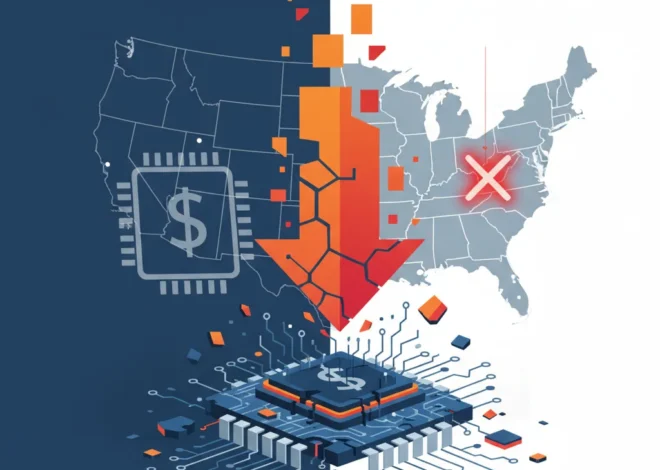
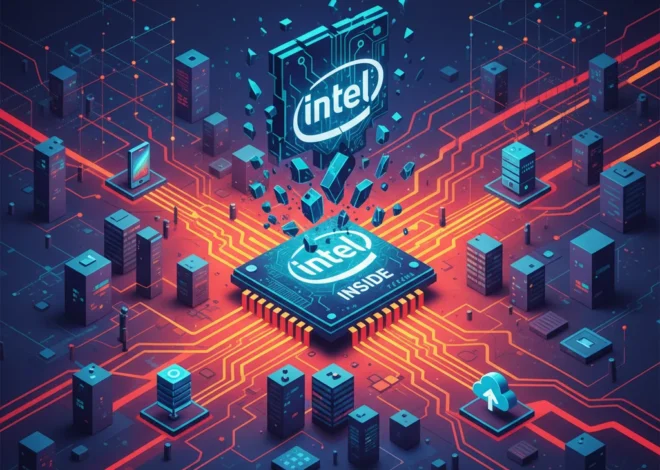
On the surface, the news was a classic case of missed expectations. The chip titan’s forecast for the upcoming quarter fell significantly short of analyst predictions, triggering a massive sell-off that wiped out billions in market value. The culprit? According to the company, a series of “manufacturing setbacks” are undermining its monumental effort to reclaim its throne and become a US champion in advanced chipmaking. As reported by the Financial Times, this stumble calls into question the speed and viability of one of the most ambitious turnarounds in tech history.
But to truly understand the gravity of the situation, we need to look beyond the stock ticker. This is about the silicon heart that powers our modern lives. It’s a story of geopolitics, intense competition, and the relentless physics of shrinking transistors. And for anyone in tech—from a developer writing programming code to a founder building a disruptive SaaS platform—what happens in Intel’s fabrication plants, or “fabs,” matters more than you might think.
The Core of the Problem: A Turnaround Hits a Speed Bump
Under CEO Pat Gelsinger, Intel has embarked on a bold, multi-billion-dollar strategy. The plan is twofold: first, to catch up to and surpass rivals like Taiwan’s TSMC and South Korea’s Samsung in manufacturing the world’s most advanced chips. Second, to open its factories to other companies, becoming a “foundry” for hire, much like TSMC. This would create a powerful, American-based alternative for companies like Apple, Nvidia, and Qualcomm, who currently rely almost exclusively on Asian manufacturing.
This strategy is not just a corporate goal; it’s a national strategic imperative, heavily backed by government initiatives like the CHIPS Act. The dream is a revitalized, resilient domestic supply chain. However, the latest financial disclosures reveal a harsh reality. The company’s revenue forecast for the first quarter was projected to be as low as $12.2 billion, a stark contrast to the $14.25 billion Wall Street was hoping for (source). The reason for this gap lies in the incredibly complex and unforgiving world of semiconductor manufacturing.
Creating cutting-edge chips involves etching billions of transistors onto a tiny piece of silicon, a process where a single speck of dust can ruin an entire batch. Delays in perfecting these new manufacturing processes mean that Intel can’t produce the next-generation chips its customers—and its own product lines—are waiting for. This directly impacts its competitiveness in critical growth areas.
Apple's AI Gambit: Why Playing Kingmaker is Smarter Than Waging War
The High-Stakes Chip Race: A Competitive Snapshot
Intel isn’t operating in a vacuum. The battle for semiconductor supremacy is a three-horse race with incredibly high stakes. Understanding the key players helps to contextualize Intel’s current challenges.
| Company | Primary Business Model | Key Strength | Current Challenge |
|---|---|---|---|
| Intel | Integrated Device Manufacturer (Designs & Makes Own Chips) + Aspiring Foundry | Legacy CPU dominance, deep integration, strong US presence. | Falling behind in cutting-edge manufacturing processes; slow to pivot to AI accelerators. |
| TSMC (Taiwan Semiconductor) | Pure-Play Foundry (Makes Chips for Others) | World’s most advanced and reliable manufacturing processes; massive scale. | Geopolitical risk due to its location in Taiwan; immense capital expenditure needs. |
| Nvidia | Fabless Designer (Designs Chips, Outsources Manufacturing to TSMC) | Absolute dominance in GPUs, the essential hardware for AI and machine learning. | Heavy reliance on a single manufacturing partner (TSMC); facing growing competition. |
The Ripple Effect: How Intel’s Stumble Impacts You
A delay at an Intel fab in Arizona or Ohio might seem distant, but the ripples reach every corner of the tech ecosystem. Here’s why this matters for professionals across the industry.
For the World of AI and Machine Learning
The artificial intelligence revolution runs on silicon. The large language models and complex algorithms that are changing the world require an astronomical amount of computing power, a demand largely met by Nvidia’s GPUs, which are manufactured by TSMC. Intel’s own line of AI accelerators, Gaudi, represents a crucial potential competitor. A delay in Intel’s manufacturing prowess means a delay in its ability to compete effectively with Nvidia. This lack of competition can lead to:
- Higher Costs: Fewer competitive options for AI hardware can keep prices for GPUs and AI accelerators high for cloud providers and large enterprises.
- Supply Constraints: With demand for AI chips skyrocketing, having one less major supplier at the cutting edge puts more strain on an already tight supply chain. This can slow down the pace of innovation for startups and researchers who need access to powerful computing resources.
For Cloud, SaaS, and Automation
The backbone of the internet runs on servers in massive data centers, most of which are powered by CPUs—a market Intel has historically dominated. But as cloud providers like AWS, Google Cloud, and Microsoft Azure design their own custom chips (like AWS Graviton), Intel faces immense pressure. To stay relevant, Intel must deliver next-generation chips that offer significant performance and efficiency gains.
Manufacturing delays threaten this roadmap. For SaaS companies and businesses relying on automation platforms, this translates to slower-than-expected improvements in cloud instance performance and pricing. A healthy, competitive Intel pushing the envelope means better, cheaper, and more efficient cloud infrastructure for everyone. A struggling Intel means less pressure on competitors and potentially slower progress.
More Clicks Than Bricks: Why the UK is the Uncrowned King of E-commerce (And What It Means for Tech)
For Startups and Cybersecurity
Entrepreneurs and startups thrive on disruption and access to cutting-edge technology. A robust domestic supply chain, as envisioned by Intel’s foundry model, would be a massive boon. It would mean shorter lead times, easier collaboration for custom silicon, and less exposure to international shipping and geopolitical turmoil. The 12% slide in share price is a worrying sign that this vision is further away than hoped.
From a cybersecurity perspective, the concept of a trusted, transparent, and secure domestic foundry is paramount. As technology gets embedded deeper into critical infrastructure, ensuring the hardware is free from tampering is a national security issue. Diversifying the world’s advanced manufacturing footprint away from a single geographic point of failure is a core part of this strategy. Intel’s success is, therefore, tied to a more secure digital future.
Looking Ahead: A Marathon, Not a Sprint
It is crucial to frame Intel’s current predicament correctly. This is a significant setback, but it is not a fatal blow. Turning around a company the size and complexity of Intel is like turning an aircraft carrier—it takes time, immense energy, and you feel every wave along the way. The company is still a powerhouse of research and development and holds a vast portfolio of intellectual property.
For developers, tech leaders, and entrepreneurs, the key takeaway is that the ground beneath our feet is shifting. The era of unquestioned dominance by a single player in any part of the tech stack is over. The “Chip War” is real, and its battles will be fought in financial reports, R&D labs, and factory clean rooms.
Intel’s stumble is a stark reminder of the incredible complexity and fragility of the technological engine that drives our world. It underscores the importance of competition, the strategic necessity of resilient supply chains, and the relentless pace of innovation. The next few years will not only determine the fate of Intel but will also set the stage for the next decade of technology. And we’ll all be feeling the effects.
The 25% AI Chip Tax: Unpacking the White House's New Gambit in the Tech War with China