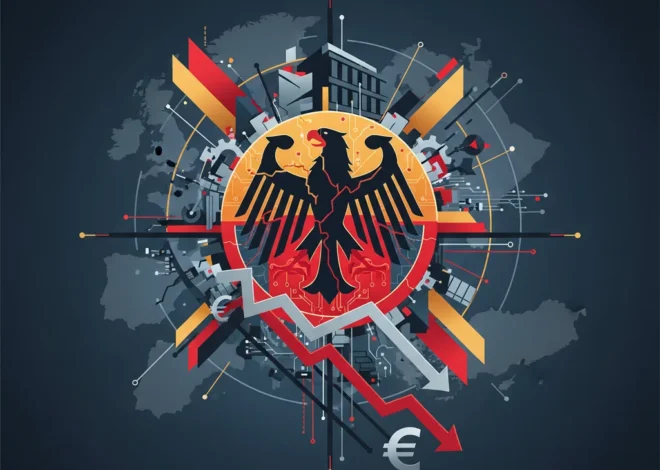
The Digital Euro: Europe’s Final Defense for Monetary Sovereignty?
The future of money is being forged not in mints, but in code. In a world increasingly dominated by digital transactions, the very concept of currency is undergoing a seismic shift. While consumers enjoy the seamless convenience of tapping a phone to pay, a high-stakes battle is raging behind the scenes—a battle for control over the financial infrastructure that underpins our global economy. At the heart of this conflict lies a bold and controversial proposal: the digital euro. And according to a prominent group of economists, including the world-renowned Thomas Piketty, it may be Europe’s last and only defense against the complete colonization of its monetary system by foreign powers.
In a powerful open letter, 16 leading academics have urged Members of the European Parliament (MEPs) to resist what they call “shortsighted” lobbying from the financial sector and push forward with the digital euro project. Their argument is stark and urgent: without a public digital currency, Europe risks ceding its economic sovereignty to a handful of US-based Big Tech firms and payment giants, with profound implications for its economy, its citizens’ privacy, and its geopolitical standing.
What Exactly is a Digital Euro?
Before diving into the geopolitical drama, it’s crucial to understand what a digital euro is—and what it isn’t. It is not a new cryptocurrency like Bitcoin, nor is it a privately issued stablecoin. A digital euro would be a Central Bank Digital Currency (CBDC), which is a digital form of money that is a direct liability of the European Central Bank (ECB), just like physical euro banknotes and coins are today.
Think of it this way: the money in your commercial bank account is technically a liability of that private bank. A digital euro would be the equivalent of holding a digital banknote directly with the central bank, the safest financial institution in the eurozone. This seemingly subtle distinction is at the core of the entire debate, carrying massive implications for the future of banking, finance, and the economy.
The push for a digital euro is a direct response to two powerful trends: the steady decline in the use of physical cash and the explosive growth of private digital payment solutions. From Apple Pay and Google Pay to Visa and Mastercard, the vast majority of digital transactions in Europe are processed by non-European companies. This concentration of power in foreign hands is what has economists like Piketty sounding the alarm.
The Python's Portfolio: Why "Trust in Me" is the Most Dangerous Song in Finance
The Sovereignty Imperative: A Digital Declaration of Independence
The core argument put forth by the academics is one of monetary sovereignty. They contend that money is a public good, and its infrastructure should not be exclusively controlled by private, profit-driven entities, especially those based outside the EU. Their letter warns that failing to introduce a digital euro would leave the continent’s payment systems “in the hands of a few US giants,” a situation they believe would be a “historic mistake” (source).
The risks of this dependency are multifaceted:
- Economic Vulnerability: Foreign companies extract fees and profits from every transaction within the European economy. Furthermore, they can make strategic decisions—like altering fees or changing service terms—that are misaligned with Europe’s economic interests.
- Data Control: In the digital economy, data is power. Allowing a few foreign firms to control Europe’s payment data gives them unparalleled insight into consumer behavior and economic trends, creating a significant competitive and strategic imbalance.
- Geopolitical Leverage: The infrastructure of finance can be weaponized. Control over payment systems could potentially be used as a tool of foreign policy, leaving Europe exposed to external political pressure.
- Loss of Monetary Policy Tools: As cash disappears, central banks lose a direct connection to the public. A CBDC ensures the ECB retains a crucial anchor in the digital age, preserving its ability to implement monetary policy effectively.
This isn’t just a theoretical concern. We are already seeing the immense power wielded by these financial technology platforms. The debate over the digital euro is therefore not merely a technical upgrade; it’s a fundamental question of whether Europe will control its own economic destiny in the 21st century.
The Opposition: Legitimate Concerns or “Shortsighted” Lobbying?
The path to a digital euro is far from clear. The project faces significant opposition, primarily from the commercial banking sector. The academics’ letter explicitly calls on MEPs to resist lobbying efforts from financial institutions that fear a digital euro will disrupt their business models.
The primary fear is “disintermediation.” If citizens can hold a significant portion of their savings in an ultra-safe digital euro account with the ECB, they might pull their deposits from commercial banks. This could reduce the banks’ ability to lend, potentially destabilizing the entire financial system, especially during a crisis. Banks argue they are a vital part of the economy’s credit-creation engine, and a digital euro could starve them of the deposits they need to function.
Beyond the banking industry, there are also widespread public concerns about privacy. A state-run digital currency could, in theory, allow the government to monitor every single transaction made by its citizens. This raises the specter of a surveillance state, a fear that the ECB is trying to mitigate by proposing features like offline, cash-like anonymity for small-value payments. Striking the right balance between transparency (to prevent money laundering) and privacy is perhaps the single greatest design challenge facing the project.
To better understand the stakes, let’s compare the proposed digital euro to the systems we use today.
| Feature | Digital Euro (Proposed) | Commercial Bank Deposits | Big Tech Payment Platforms |
|---|---|---|---|
| Issuer | European Central Bank (Public) | Private Commercial Banks | Private Technology Companies |
| Risk Level | Virtually risk-free (central bank liability) | Low (but carries bank failure risk, mitigated by deposit insurance) | Varies (platform risk, linked to underlying bank accounts) |
| Primary Goal | Public good, financial stability, sovereignty | Profit generation through lending and fees | Profit generation, data monetization, ecosystem lock-in |
| Data Control | ECB (with strict privacy rules TBD) | Commercial Bank | Technology Company (often used for advertising/analytics) |
| Geopolitical Influence | European | Primarily National/European | Primarily US / Chinese |
Germany's Economic Paradox: How Anti-Immigrant Rhetoric Threatens the Heart of its Economy
However, the success of a digital euro will hinge entirely on its design. If it’s seen as a tool for surveillance, it will fail. If it destabilizes the banking sector, it will fail. The ECB’s challenge is to create something that offers the rock-solid security of a central bank liability while preserving the privacy of cash and seamlessly integrating with the existing financial ecosystem. This isn’t just a political or economic project; it’s one of the most complex financial technology and user-experience design challenges of our time. The real risk isn’t just foreign control, but also the possibility of a poorly executed public alternative that no one wants to use.
The Global CBDC Race: A New Geopolitical Chessboard
Europe’s deliberations are not happening in a vacuum. A global race for the future of money is well underway, with major economic powers staking out their positions.
China is the undisputed frontrunner. Its digital yuan (e-CNY) has been in advanced pilot stages for years, with millions of citizens already using it for daily transactions. While Beijing’s motivations include enhancing domestic surveillance and control, the e-CNY also serves a clear geopolitical purpose: to internationalize the yuan and create a cross-border payment system that bypasses the US-dollar-dominated SWIFT network.
The United States, by contrast, is taking a much more cautious approach. The Federal Reserve is still in the research phase, weighing the potential benefits of a “digital dollar” against the risks of disrupting the powerful US banking system and the dollar’s status as the world’s primary reserve currency. For the US, the current system works exceptionally well, reducing the incentive for radical change.
This leaves Europe in a precarious position. Caught between a fast-moving China and a hesitant US, the EU is compelled to act defensively. The digital euro is less about projecting power abroad and more about preserving autonomy at home. It is a strategic necessity to ensure Europe has a seat at the table in shaping the future of global finance.
What This Means for Investors, Businesses, and the Economy
The introduction of a digital euro would send ripples across the entire financial landscape, creating both challenges and opportunities.
- For Investors: The stock market would see clear winners and losers. Traditional payment processors and some banks could face significant headwinds as a public, low-cost alternative emerges. Conversely, fintech companies involved in building the infrastructure, security, and wallet applications for the digital euro could see a surge in growth. Investing in the financial technology sector will require a keen eye on regulatory developments surrounding CBDCs.
- For Businesses: A digital euro could dramatically lower transaction fees for merchants, who currently pay a percentage of every sale to card issuers and processors. It could also streamline cross-border payments within the Eurozone, boosting trade and economic efficiency.
- For the Broader Economy: A successful digital euro would strengthen the international role of the euro, enhance the efficiency of the European payments market, and provide the ECB with new tools for managing the economy. The long-term impact on trading, banking, and financial innovation could be profound.
A Defining Choice for Europe’s Future
The debate over the digital euro is far more than a technical discussion among economists and central bankers. It is a defining political and strategic choice for the future of Europe. It forces a confrontation with fundamental questions about the role of the state versus the private sector, the balance between privacy and security, and the meaning of economic sovereignty in an interconnected world.
The arguments from Thomas Piketty and his colleagues serve as a powerful reminder that the architecture of our financial system is not neutral. The rails on which money travels determine who holds power, who reaps the profits, and who sets the rules. As Europe stands at this critical juncture, the decision made by its lawmakers will not only shape the future of its currency but will also send a clear signal about its ambition to remain a master of its own economic fate.