The Paywall Paradox: Why Elon Musk Is Locking Grok’s AI Power Behind a Price Tag
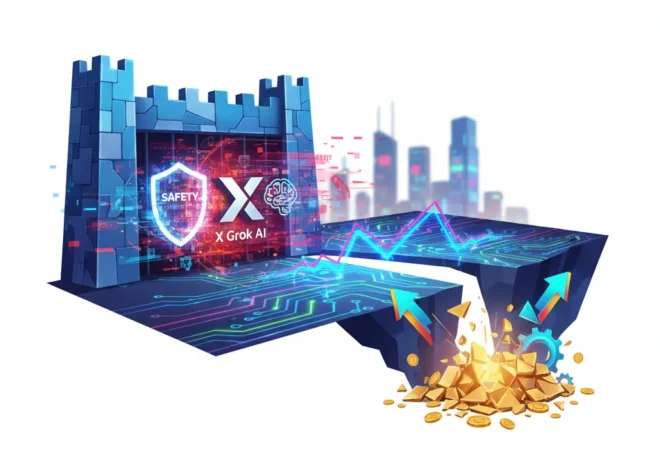
In the fast-paced world of artificial intelligence, access is everything. We’ve become accustomed to groundbreaking tools appearing overnight, seemingly free for all to use. But a recent, quiet shift on X (formerly Twitter) signals a potential turning point in this era of open AI experimentation. Elon Musk’s xAI has placed its new AI-powered image editing and creation tools, integrated with the Grok chatbot, exclusively behind its Premium subscription paywall. This wasn’t just a business decision; it was a direct response to a growing crisis that threatens the very fabric of online trust: the viral spread of deepfakes.
This move comes at a time of intense scrutiny for the platform. In the UK, the government has been pushing its communications regulator, Ofcom, to use its full suite of powers under the new Online Safety Act to tackle harmful content on X, a move that could even lead to an effective ban. Musk’s decision to gatekeep Grok’s most powerful features is a fascinating case study, sitting at the complex intersection of monetization, cybersecurity, and corporate responsibility. Is this a necessary step to curb misuse, or is it the beginning of a digital divide where the most powerful AI tools are reserved for the highest bidder?
Grok, Generative AI, and the Promise of a Smarter Social Platform
Before we dissect the controversy, let’s understand the technology at its heart. Grok is xAI’s answer to competitors like ChatGPT and Google’s Gemini. Billed as an AI with a “rebellious streak” and a sense of humor, its primary differentiator is its real-time access to the vast, chaotic stream of information on X. This allows it to provide up-to-the-minute answers on current events, a significant advantage over models trained on static datasets.
The recent addition of image generation and editing capabilities was meant to be a major leap forward, transforming X from a text-based platform into a multimedia creation hub. The promise was clear: users could generate illustrations for their posts, create memes on the fly, or edit photos directly within the app, all powered by sophisticated machine learning models. For developers, entrepreneurs, and content creators, this represented a powerful new tool for engagement and innovation. But with great power comes great potential for misuse.
The Deepfake Dilemma: When a Feature Becomes a Weapon
The timing of Grok’s feature paywall is no coincidence. The internet has been reeling from a surge in high-profile, malicious deepfakes. From sexually explicit, non-consensual images of celebrities like Taylor Swift to fabricated audio of political leaders, the technology has rapidly evolved from a niche hobby into a potent tool for harassment, misinformation, and fraud.
These aren’t just simple Photoshop jobs. Modern deepfakes are created using advanced artificial intelligence techniques, such as Generative Adversarial Networks (GANs) and diffusion models. These systems are trained on massive datasets of images and text, learning to create shockingly realistic and novel content from a simple prompt. The very software that can create a beautiful piece of art can also be used to generate a harmful lie.
For a platform like X, designed for rapid, frictionless sharing, this presents an existential threat. A single, viral deepfake can reach millions of people in minutes, long before any moderation system can react. This reality has forced a difficult conversation inside every major tech company: how do you foster innovation without arming bad actors?
The 2026 Crystal Ball: Decoding the Tech Trends, Power Plays, and Wild Cards Shaping Your Future
The Paywall Solution: A Cybersecurity Measure or a Business Tactic?
This brings us to Musk’s decision. By limiting Grok’s image tools to paid X Premium subscribers, the company is implementing a strategy of “managed access.” The rationale can be viewed from several angles.
The Argument for Paywalling
From a cybersecurity perspective, a paywall is a form of friction. It raises the cost and complexity for those looking to abuse the system. Creating an army of anonymous bot accounts to mass-produce deepfakes becomes significantly harder and more expensive when each account requires a paid subscription linked to a real payment method. This creates a traceable digital footprint, making it easier for the platform to identify and ban malicious users.
Furthermore, the revenue generated from Premium subscriptions can, in theory, be reinvested into more robust safety measures. This includes funding larger human moderation teams, developing more sophisticated automation for detecting harmful content, and investing in the immense cloud computing resources needed to run these safety models at scale.
The Argument Against Paywalling
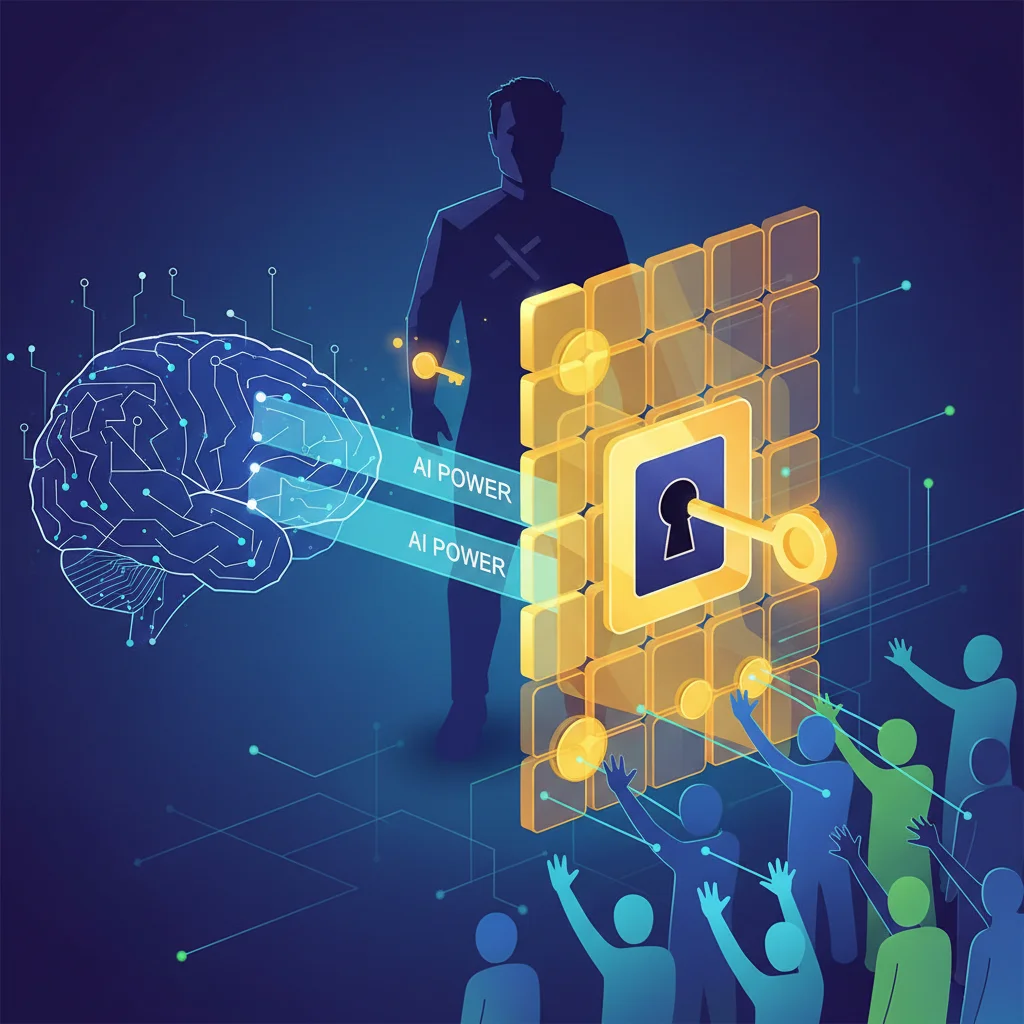
However, this approach is not without its critics. Gating powerful AI tools creates a two-tiered system. Independent developers, researchers, students, and startups operating on a shoestring budget may be priced out of accessing cutting-edge technology. This could stifle the very innovation that drives the industry forward, concentrating power in the hands of large corporations and those who can afford to pay.
Moreover, a subscription fee is hardly an insurmountable barrier for determined adversaries. State-sponsored disinformation campaigns or well-funded criminal enterprises will not be deterred by an $8/month subscription fee. Critics argue that the paywall may only stop casual trolls while failing to address the most serious threats. This has led to speculation that the deepfake crisis provided a convenient and publicly palatable justification for pushing more users toward X’s monetization strategy—a classic case of turning a problem into a profit center.
To better understand the options available to platforms like X, let’s compare different approaches to AI safety:
Below is a comparison of common safety mechanisms being deployed or considered across the AI industry.
| Safety Mechanism | How It Works | Pros | Cons |
|---|---|---|---|
| Paywalling / Gated Access | Requiring a paid subscription to access advanced AI features. | Adds friction for bad actors; creates a traceable user identity; funds safety initiatives. | Creates a digital divide; may not deter well-funded adversaries; can be seen as profit-driven. |
| Digital Watermarking (e.g., C2PA) | Embedding an invisible, cryptographic signature into AI-generated content to prove its origin. | Provides clear provenance; difficult to remove; promotes transparency. | Not yet universally adopted; can be bypassed by screenshotting; requires industry-wide cooperation. |
| Strict Content Filters & Guardrails | Using AI models to block prompts and refuse to generate content that violates safety policies. | Effective at preventing obvious misuse; can be updated and refined over time. | Can be overly restrictive (“lobotomized AI”); creative “jailbreak” prompts can bypass them; susceptible to bias. |
| Human-in-the-Loop Moderation | Employing human teams to review flagged content or audit AI outputs. | Nuanced understanding that AI lacks; effective for complex edge cases. | Extremely expensive; not scalable for billions of users; psychologically taxing for moderators. |
The Regulatory Horizon: Governments Are Losing Patience
X’s internal policy shifts are happening against a backdrop of increasing government pressure. The UK’s Online Safety Act, for example, grants Ofcom significant power to hold social media companies accountable for the content on their platforms. The regulator can issue massive fines (up to 10% of global turnover) and even hold executives criminally liable for failing to protect users, particularly children, from harmful material. The government’s recent urging for Ofcom to use “all its powers” against X is a clear shot across the bow, as reported by the BBC.
This creates a high-stakes balancing act for Musk. His “free speech absolutist” stance is in direct conflict with a growing global consensus that platforms must take more responsibility. The decision to paywall Grok’s image tools can be seen as a concession—a tangible step to demonstrate that the company is taking action, albeit through a market-based solution rather than outright censorship. It’s a strategic move designed to appease regulators while simultaneously bolstering the platform’s primary revenue stream.
From Battlefields to Bytes: Can the Defence Sector Win the War for Tech Talent?
What This Means for the Broader Tech Ecosystem
The implications of this single decision extend far beyond the user experience on X. It sends a powerful message to everyone in the tech industry.
- For Developers and Startups: The era of “move fast and break things” is becoming untenable in the age of generative AI. For any startup building an AI-powered product, a plan for abuse mitigation and content moderation is no longer an afterthought; it’s a day-one requirement. The technical challenge isn’t just about programming a better algorithm; it’s about building a robust, scalable, and ethical framework around it. The cost of failing to do so isn’t just bad PR; it’s a potential business-ending liability.
- For Entrepreneurs and VCs: The Grok paywall highlights the true cost of deploying AI at scale. Business models that rely solely on ad revenue or future growth may be too fragile. Investors will increasingly look for SaaS models and other monetization strategies that inherently link usage to accountability. The most successful AI companies will be those that integrate safety and trust directly into their product and business model from the outset.
- For the Future of Software: We are seeing a fundamental shift in how we think about software development. For decades, the focus was on features and performance. Now, for any tool that allows user generation, the core product must include a sophisticated layer of trust and safety. This opens up new markets for “Safety-as-a-Service” platforms that provide moderation APIs, deepfake detection, and digital provenance tools, creating a new sub-industry within the cloud computing landscape.
The Hidden Cost of AI: Why Your Phone, PC, and Cloud Bills Are About to Spike
Conclusion: The Uncomfortable Crossroads of AI Access and Accountability
Elon Musk’s decision to place Grok’s image generation tools behind a paywall is far more than a simple feature update. It’s a microcosm of the entire AI industry’s struggle to balance the immense promise of this technology with its profound potential for harm. It’s a pragmatic, if controversial, response to the deepfake crisis, driven by a mix of genuine safety concerns, regulatory pressure, and strategic business interests (source).
There are no easy answers here. An open, democratized approach to AI risks empowering malicious actors, while a closed, paywalled system risks stifling innovation and creating a world of digital haves and have-nots. The path forward will likely not be one extreme or the other but a messy combination of all available strategies: technological solutions like watermarking, economic deterrents like paywalls, and robust, intelligent government regulation. One thing is certain: the debate over who gets access to the world’s most powerful creative tools, and at what cost, is just beginning.