The $22 Billion Energy Gambit: Chevron and a PE Giant Eye a Sanctioned Russian Prize
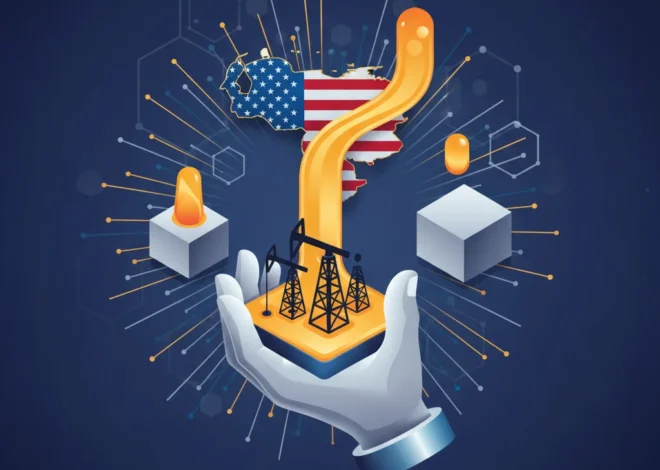
In the high-stakes world where global finance, energy security, and geopolitics collide, a blockbuster deal is taking shape. An audacious proposal has emerged, potentially seeing U.S. energy supermajor Chevron and private equity powerhouse Quantum Energy Partners team up to acquire a staggering $22 billion portfolio of international assets from the sanctioned Russian oil giant, Lukoil. This isn’t just another merger; it’s a complex maneuver that could redraw parts of the global energy map, all with the apparent blessing of the Trump administration.
This potential transaction represents one of the most significant consequences of the West’s economic sanctions against Russia, forcing a major realignment of valuable energy assets. For investors, finance professionals, and leaders across the global economy, understanding the mechanics, motivations, and potential fallout of this deal is paramount. It’s a masterclass in opportunistic investing, geopolitical navigation, and the intricate dance between corporate strategy and national interest.
The Players and the Prize: Deconstructing the Deal
To grasp the magnitude of this proposal, we must first understand the key entities involved and the assets at the center of the negotiation table. This is a story of a distressed seller, a strategic corporate buyer, and a financially savvy private equity partner.
The Seller: Lukoil’s Forced Retreat
PJSC Lukoil is one of Russia’s largest oil companies and a significant player on the global stage. However, following Russia’s invasion of Ukraine, the company, like many of its Russian peers, has been targeted by a web of international sanctions. These measures have severely restricted its ability to operate internationally, access global banking systems, and raise capital, effectively forcing it to consider liquidating its non-Russian portfolio. These aren’t marginal assets; they represent decades of international expansion and are some of the crown jewels of Lukoil’s global footprint.
The Bidders: A Powerful Alliance
- Chevron (NYSE: CVX): As one of the world’s integrated energy “supermajors,” Chevron possesses the operational expertise, global reach, and balance sheet to absorb such a massive portfolio. For Chevron, this is a potential once-in-a-generation opportunity to acquire producing assets at a potentially discounted price, bolstering its reserves and production profile without the risks and long timelines of new exploration projects.
- Quantum Energy Partners: A leading private equity firm with a laser focus on the energy sector. Quantum brings sophisticated financial engineering, deal-structuring expertise, and access to vast pools of capital. Their involvement suggests a complex financial arrangement designed to optimize returns and manage risk, a hallmark of modern high-finance transactions.
This partnership is a classic example of symbiotic synergy in the investing world: Chevron provides the industrial logic and operational capability, while Quantum provides financial muscle and structuring acumen.
The Prize: A $22 Billion Global Portfolio
The assets in question are a diverse collection of Lukoil’s international upstream businesses. While the exact composition is part of the negotiation, they are understood to span several continents. This isn’t just about oil wells; it’s about infrastructure, technology, and strategic footholds in key energy markets.
| Region/Country | Potential Asset Type | Strategic Importance |
|---|---|---|
| West Africa (e.g., Ghana, Cameroon, Nigeria) | Deepwater oil and gas fields | High-yield, long-life production assets in a key supply region. |
| Mexico | Offshore exploration and production blocks | Strategic entry into the Gulf of Mexico’s promising energy sector. |
| Central Asia (e.g., Kazakhstan, Uzbekistan) | Onshore fields and pipeline interests | Established production hubs with existing infrastructure. |
| Middle East (e.g., Iraq) | Stakes in major oilfield development projects | Access to some of the world’s largest and lowest-cost reserves. |
Acquiring these assets would significantly enhance the global presence of the Chevron-Quantum consortium, making them a more dominant force in the international energy economy.
China's Economic Engine Sputters Back to Life: A Real Recovery or a False Dawn?
The Geopolitical Chessboard: Navigating Sanctions and Strategy
This deal cannot be viewed through a purely financial lens. Its very feasibility hinges on navigating the complex world of international sanctions. The report that the Trump administration has signaled its support is the most critical piece of this puzzle. Without a green light from the U.S. government, specifically the Treasury Department’s Office of Foreign Assets Control (OFAC), any U.S. entity engaging in such a transaction would face severe penalties.
The administration’s potential support suggests a strategic calculation: it’s better for these valuable assets to be in the hands of a U.S. supermajor than to remain under Russian control or be sold to entities from China or other geopolitical rivals. This move could be framed as a way to further weaken Russia’s economic influence while simultaneously strengthening America’s energy security. It’s a pragmatic approach to a complex problem, turning the sanctions regime from a simple punitive tool into a mechanism for strategic asset realignment.
Financial Mechanics and Stock Market Tremors
A $22 billion transaction is a monumental undertaking that would send ripples through the financial markets. The structure would likely involve a sophisticated blend of debt and equity financing. Quantum would raise capital from its limited partners (pension funds, endowments, etc.), while Chevron could use a combination of cash on hand, debt issuance, and potentially stock.
For the stock market, the implications are significant:
- Chevron (CVX): A successful deal could be seen as a major long-term positive, adding billions in proven reserves and cash-flowing assets. However, the market might initially react with caution due to the execution risk, the geopolitical complexities, and the sheer size of the debt required to finance it. Watch for reactions from credit rating agencies.
- Energy Sector: This would signal a new phase of consolidation, driven by geopolitical events rather than just market cycles. It could prompt other majors to look for similar opportunities, potentially sparking a new wave of M&A activity.
- Banking Sector: The investment banks that advise on and finance this deal stand to make hundreds of millions in fees. This highlights the crucial role of the global banking system in facilitating even the most politically sensitive transactions.
The broader economy would also feel the effects. Shifting control of these assets to a U.S.-led consortium could offer more stability and predictability in a portion of the world’s energy supply, a key factor in managing global inflation and economic growth.
The 50/50 Gamble: What the Eurostar Breakdown Reveals About Our Brittle Global Economy
The Future of Energy Trading and Financial Technology
While this deal is rooted in traditional oil and gas, its execution and management are deeply intertwined with modern financial technology. The due diligence process alone for a $22 billion portfolio spanning multiple continents requires immense data processing power and sophisticated modeling—a task where fintech platforms excel. These platforms allow the dealmakers to analyze geological data, model future cash flows under various oil price scenarios, and assess political risk with a level of granularity unimaginable a decade ago.
Furthermore, the world of commodity trading will be watching closely. The physical barrels of oil produced by these assets will eventually be bought and sold on global markets. The ownership change could alter trading flows and relationships. In a more speculative vein, one could imagine a future where complex ownership stakes in international energy assets are tokenized and managed via blockchain technology. This could provide an immutable, transparent ledger of ownership—something incredibly valuable when dealing with assets in politically sensitive regions, though this application remains more theoretical than practical for now.
The core of this deal, however, remains a study in classic economics: a willing (or forced) seller and a willing buyer meeting at a price point created by extraordinary external circumstances. It’s a powerful reminder that markets are driven by fear, greed, and opportunity in equal measure.
The Cockroach Portfolio: Why Resilience Beats Unicorns in a Volatile Economy
Conclusion: A New Chapter in Global Energy
The proposed bid by Chevron and Quantum Energy Partners for Lukoil’s international assets is far more than a corporate transaction. It is a landmark event at the crossroads of finance, energy, and international relations. It demonstrates how economic sanctions, intended as a tool of statecraft, can become a powerful catalyst for market realignment, creating unprecedented opportunities for well-positioned and politically savvy investors.
If this deal proceeds, it will serve as a blueprint for how Western companies can navigate the post-sanction landscape, acquiring critical assets while adhering to a complex legal and political framework. For everyone from the individual investor to the institutional fund manager, this story is a powerful illustration of the forces shaping our global economy. It’s a reminder that in the world of high finance and big energy, the game is always changing, and the biggest prizes often lie in the most challenging arenas.

Related Posts
The $1.5 Trillion Gambit: Deconstructing the Economic Shockwaves of a Proposed US Defense Budget Overhaul
The 3% Illusion: Why a Minor Correction in Sinochem’s Pirelli Stake Reveals Major Truths About Global Finance