The Plushie Portfolio: How a UK Toy Brand Became an Unlikely Economic Indicator in China
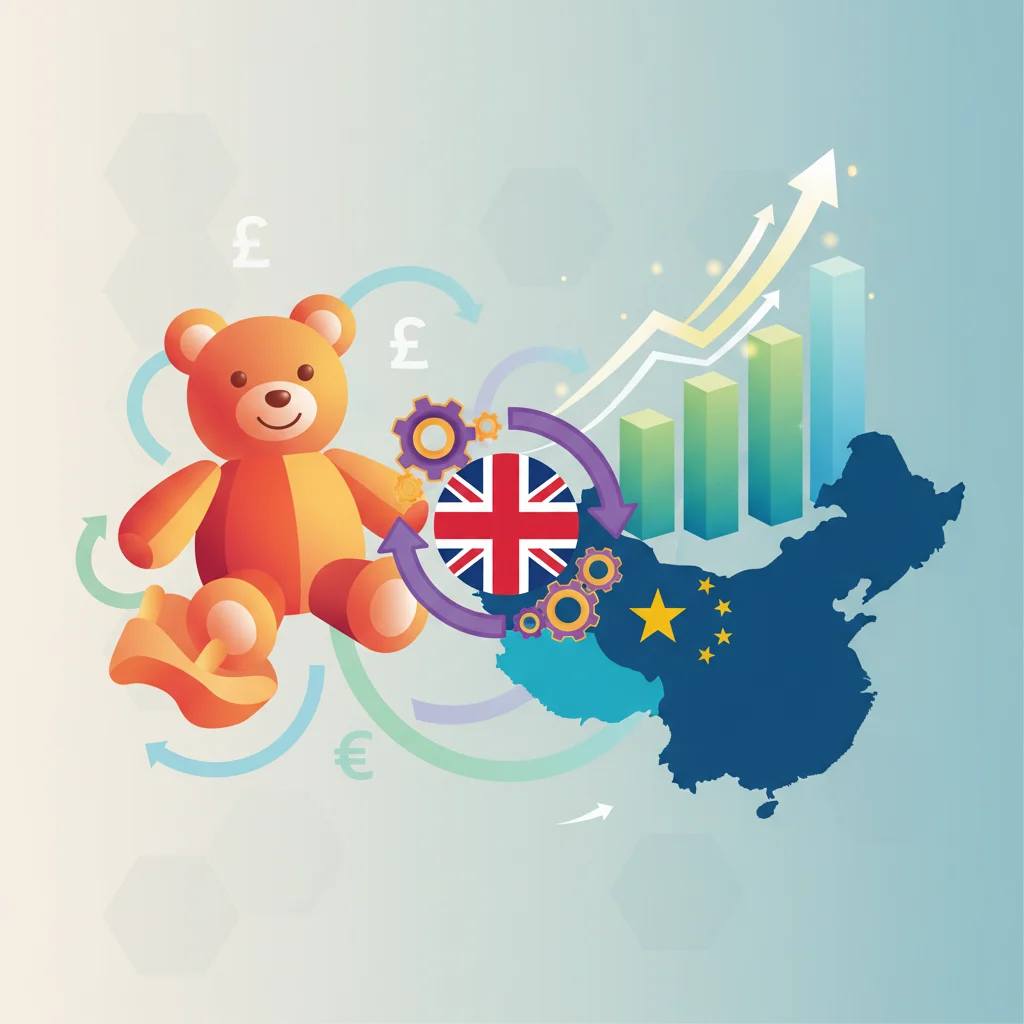
In the bustling, high-stakes world of international finance, the key indicators we watch are typically interest rates, GDP growth, and stock market indices. We analyze complex financial instruments, debate the merits of blockchain technology, and build portfolios based on rigorous economic forecasting. But what if one of the most telling barometers of a major economy’s health wasn’t found on a trading floor, but on a toy shelf? This is the remarkable story of Jellycat, the UK-based plush toy company that has taken China by storm, revealing profound truths about the nation’s current economic climate and the evolving nature of consumer value.
At first glance, the phenomenon seems trivial: young adults queuing for hours and paying premium prices for quirky stuffed animals shaped like avocados, dragons, and croissants. Yet, beneath this cuddly exterior lies a fascinating case study in brand strategy, consumer psychology, and macroeconomics. Jellycat’s meteoric rise in China is not just a triumph of marketing; it’s a direct response to a generation grappling with intense pressure and economic uncertainty. For investors, finance professionals, and business leaders, understanding the “why” behind the Jellycat craze offers invaluable insights into one of the world’s most critical markets.
The Anatomy of a Cuddly Conglomerate
Founded in London in 1999, Jellycat has long been a purveyor of high-quality, whimsical plush toys. Its brand identity is built on a foundation of unique design, superior materials, and a touch of British eccentricity. Unlike mass-market toy giants, Jellycat cultivated an image of a premium, almost boutique, product. This careful positioning laid the groundwork for its eventual transformation into a status symbol.
The company’s financial success is as impressive as its designs. As a privately held entity, it doesn’t face the quarterly pressures of the public stock market, allowing it to focus on long-term brand building. This strategy has paid off handsomely. Its parent company, Jellycat Group, reported a turnover of £149m ($183m) in 2022, a testament to its growing global appeal. This financial performance, achieved without public trading, makes its success story a compelling subject for those interested in private equity and brand-centric investing.
Cracking the Code: A Masterclass in Market Entry
Jellycat’s conquest of China wasn’t accidental; it was a masterclass in leveraging modern digital ecosystems. The brand found its foothold not through expensive traditional advertising, but through organic buzz on social media platforms like Xiaohongshu, China’s equivalent of Instagram. Here, influencers and everyday users showcased their Jellycat collections, styling them in photos and creating a powerful sense of community and desirability.
This digital-first approach is a prime example of how modern brands must navigate international markets. Success hinges on understanding the local digital landscape, which is powered by sophisticated e-commerce infrastructure and integrated financial technology (fintech) payment systems like Alipay and WeChat Pay. These platforms don’t just facilitate transactions; they build communities and trends at an astonishing speed. Jellycat’s viral popularity demonstrates that in today’s economy, authentic user-generated content can be far more valuable than a multi-million dollar ad campaign.
The Silent Crash: How Japan's Demographic Crisis Will Reshape the Global Economy
The Economics of Emotion: A Response to Uncertainty
The core question remains: why has a simple plush toy become a cultural phenomenon among China’s youth? The answer lies in the complex socio-economic pressures they face. The country is navigating a period of significant economic transition, marked by a property crisis, regulatory shifts, and, most notably for young people, record-high youth unemployment. The intense academic and professional competition, often described by the term “neijuan” (or “involution”), has created a high-stress environment where traditional markers of success feel increasingly out of reach.
In this climate, Jellycat plushies have transcended their function as toys. They have become sources of what the BBC article terms “emotional value.” They offer comfort, a sense of stability, and a small, achievable indulgence in a world of uncertainty. Owning a Jellycat is a form of self-care, a small investment in personal well-being. This trend is a modern iteration of the “Lipstick Effect,” a theory in economics which posits that during economic downturns, consumers tend to buy smaller, more affordable luxury goods instead of big-ticket items. Instead of a new car or a down payment on an apartment, a £50 plushie provides a similar, albeit fleeting, sense of satisfaction and status.
From Plushies to Portfolios: A Financial Perspective
While a Jellycat won’t appear in a quarterly banking report or a fintech startup’s pitch deck, its success offers critical lessons for the financial world. It highlights the immense value of intangible assets—brand loyalty, community, and emotional connection. For investors analyzing the consumer goods sector, the Jellycat phenomenon is a reminder that a company’s narrative and its connection with customers can be a more powerful driver of growth than production efficiency alone.
Let’s analyze how these “emotional assets” stack up against more traditional investments, particularly during times of economic stress. The following table provides a conceptual comparison:
| Asset Category | Primary Value Proposition | Risk Profile | Key Driver in a Downturn |
|---|---|---|---|
| “Emotional Assets” (e.g., Jellycat) | Immediate emotional comfort, social status, sense of control. | Low financial risk per unit; high risk of trend obsolescence. | Desire for affordable indulgence and psychological security. |
| Blue-Chip Stocks | Long-term capital appreciation, dividends, ownership in stable companies. | Moderate to high market risk; subject to economic cycles. | Perceived safety, reliable dividends, potential for recovery. |
| Government Bonds | Capital preservation, predictable income stream (coupons). | Low credit risk; subject to interest rate and inflation risk. | “Flight to safety” during market volatility. |
| Cryptocurrencies | Potential for high returns, decentralization, technological innovation. | Extremely high volatility and regulatory risk. | Speculation, hedge against traditional financial system failure. |
This comparison illustrates that while fundamentally different, the decision to purchase a Jellycat is driven by a similar psychological need for security and value that influences traditional investing decisions, albeit on a micro, emotional scale. It’s a low-cost bet on immediate happiness.
Audit Overhaul: Is the SEC Loosening the Leash on Corporate Watchdogs?
Actionable Insights for Leaders and Investors
The story of Jellycat in China is more than a quirky headline; it’s a rich source of strategic insights. Here are the key takeaways for business leaders and financial professionals:
- Context is King: A product’s success is inextricably linked to the socio-economic environment. Jellycat didn’t sell a toy; it sold comfort to an anxious generation. Businesses must look beyond market data and understand the deeper cultural and economic currents shaping consumer behavior. This deep understanding of local economics is non-negotiable for global success.
- Community Over Corporation: The brand’s growth was organic, driven by a genuine community of fans. This is a crucial lesson in the age of digital skepticism. Investing in platforms and strategies that foster authentic community can yield far greater returns than top-down marketing. The social proof generated by these communities is a powerful, self-perpetuating marketing engine.
- The Rise of the “Emotional Economy”: Consumers are increasingly seeking products and services that offer emotional and psychological benefits. This trend extends beyond toys to wellness, entertainment, and even financial technology that promises peace of mind. Companies that can convincingly embed emotional value into their offerings will build a resilient and loyal customer base. As one young professional told the BBC, these plushies “have healing powers.”
The Bardot Economy: Timeless Lessons in Branding, Disruption, and Asset Valuation
Conclusion: The Soft Power of a Stuffed Toy
The Jellycat phenomenon in China is a potent symbol of our times. It reveals a global consumer base that is increasingly seeking solace, connection, and joy in small, tangible things. It’s a story that weaves together threads of global commerce, digital culture, and the intimate psychology of a generation navigating a complex and often daunting world.
For those of us accustomed to analyzing the hard data of the finance world, it serves as a vital reminder that the most powerful forces in any economy are human. The desire for comfort, status, and a sense of belonging can drive market trends as powerfully as any central bank policy or corporate earnings report. Jellycat didn’t just sell a product; they sold a feeling. And in today’s uncertain economic climate, that may be the most valuable commodity of all.