Kraken Unleashed: Why Octopus Energy’s $8.65bn Tech Spin-Off is a Landmark Deal for Fintech and Investing
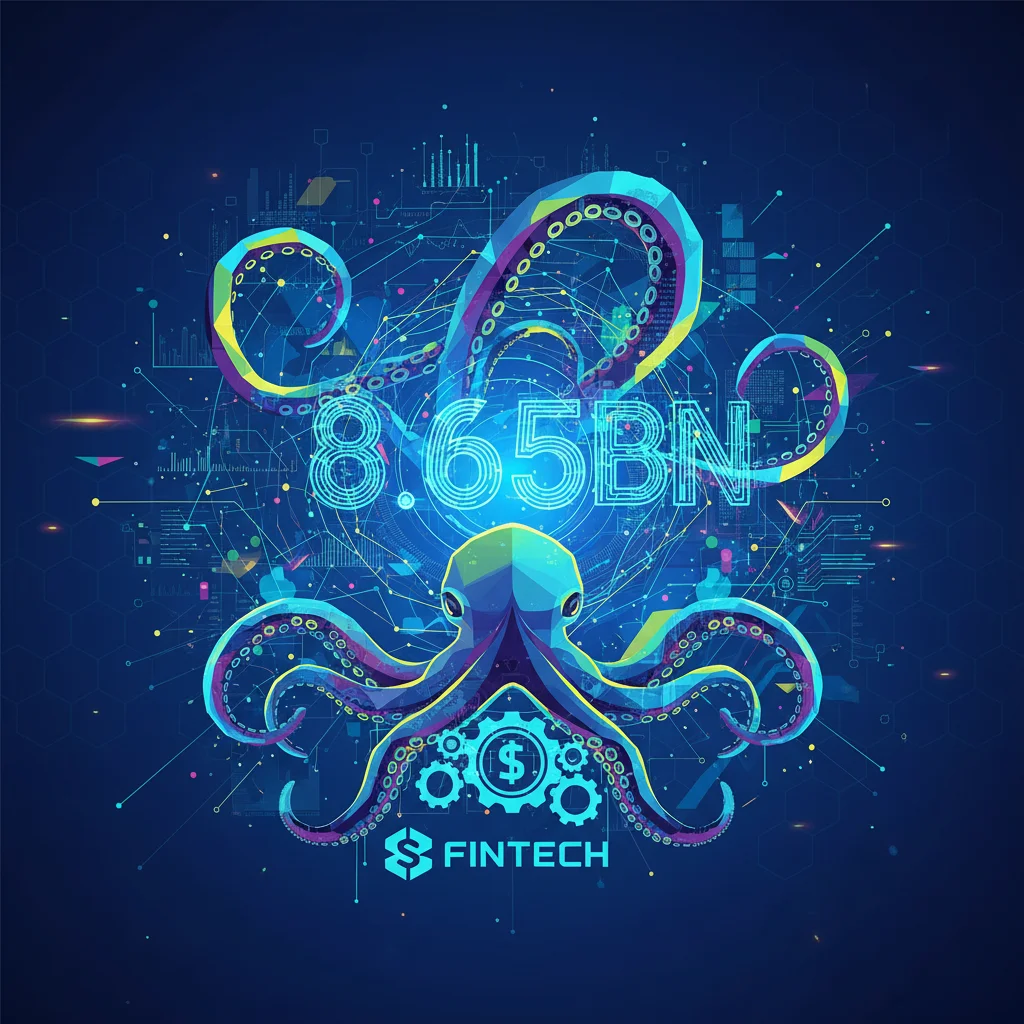
In the dynamic intersection of energy, finance, and technology, a seismic shift is underway. Octopus Energy, a company renowned for its disruptive approach to the UK’s energy market, has just made a move that has sent ripples across the investment world. The company is set to spin off its proprietary technology arm, Kraken, following the sale of a significant stake that values the platform at a staggering £6.8 billion (approximately $8.65 billion). This isn’t just another corporate restructuring; it’s a powerful statement about where the real value lies in the modern economy and a pivotal moment for financial technology (fintech).
This demerger, facilitated by a $1 billion stake sale, signals the formal separation of the high-growth, high-margin software business from the regulated, capital-intensive utility business. For investors, business leaders, and anyone interested in the future of finance and sustainable energy, this development is a critical case study in value creation, strategic corporate finance, and the relentless march of technology into every corner of our lives.
Understanding the Players: Octopus Energy and its Tech Powerhouse, Kraken
To fully grasp the magnitude of this news, it’s essential to understand the entities involved. Octopus Energy has rapidly grown from a UK challenger to a global energy-tech pioneer. Its success has been largely attributed not just to competitive pricing or green credentials, but to its superior customer experience and operational efficiency—both of which are powered by Kraken.
Kraken is the company’s “secret sauce.” It is a sophisticated, cloud-native platform designed to manage the entire energy supply chain. Think of it as the central nervous system for a modern utility. It handles everything from customer billing and smart meter integration to energy trading and grid management. By automating vast swathes of operations, Kraken allows energy suppliers to operate with unprecedented efficiency, which translates into better service and lower costs for consumers. It is a prime example of how financial technology is revolutionizing traditional industries from the inside out.
The platform has been so successful that Octopus began licensing it to competitors, including major players like E.ON and Good Energy. This move transformed Kraken from an internal tool into a powerful Software-as-a-Service (SaaS) business, serving millions of customers beyond the Octopus ecosystem. According to industry reports, Kraken is now contracted to serve over 54 million energy accounts worldwide, a testament to its scalability and effectiveness (source).
The Four-Day Week on Trial: Why the UK Government is Pushing Back and What It Means for the Economy
Decoding the Deal: The Mechanics and Rationale of a Spin-Off
A corporate spin-off, or demerger, is a strategic maneuver where a company separates a division or subsidiary into a new, independent public company. The shares of the new entity are then distributed to the parent company’s existing shareholders. In this case, selling a stake is the first major step towards that full separation. But why do it?
The primary driver is to “unlock value.” A conglomerate or a company with diverse divisions often suffers from a “conglomerate discount” in the stock market. This means the market values the sum of its parts less than it would value each part as a standalone, focused business. By spinning off Kraken, Octopus Energy’s leadership and investors believe the market will be able to more accurately price the two distinct businesses:
- Octopus Energy (The Utility): A customer-facing energy supplier. Its value is tied to customer numbers, regulatory environments, and energy market prices. It’s a stable, but lower-margin business.
- Kraken (The Tech Company): A high-growth, high-margin global SaaS platform. Its value is tied to software contracts, scalability, innovation, and recurring revenue—metrics that command much higher valuation multiples in today’s investing climate.
The table below breaks down the key figures and strategic rationale behind this landmark transaction.
| Metric | Details | Strategic Implication |
|---|---|---|
| Kraken Valuation | £6.8bn / $8.65bn | Positions Kraken as a top-tier global fintech and SaaS company, attracting tech-focused investors. |
| Stake Sold | ~$1bn | Injects significant capital for growth and R&D without diluting the core energy business. Paves the way for a future IPO. |
| Business Model | SaaS (Software-as-a-Service) | Focuses on scalable, recurring revenue, which is highly prized in the stock market and by private equity. |
| Primary Goal | Unlock Shareholder Value | Separates the high-growth tech asset from the regulated utility, allowing each to be valued on its own merits. |
Broader Implications for Finance, Investing, and the Economy
The separation of Kraken from Octopus Energy is far more than an internal restructuring. It carries profound implications for several interconnected domains.
For Investing and the Stock Market
For investors, this demerger creates a pure-play investment opportunity. Those bullish on the SaaS model and the digitization of utilities can invest directly in Kraken (once public), without exposure to the volatility of the retail energy market. Conversely, investors seeking stable, utility-like returns can remain with the core Octopus Energy business. This clarity appeals to a wider range of investment mandates, potentially increasing the total capital flowing into both entities. The high valuation also sets a new benchmark for “EnTech” (Energy Technology) companies, likely sparking a wave of M&A activity and venture capital interest in the economics of the sector.
For the Fintech and Financial Technology Sector
Kraken’s success validates the thesis that sophisticated fintech isn’t just for banking or payments. The platform’s core functions—complex billing, real-time data processing, and customer relationship management—are fundamentally financial technology problems applied to the energy sector. This move will inspire other legacy industries (like insurance, logistics, and healthcare) to re-evaluate their own internal software platforms as potential standalone, high-value fintech businesses. It underscores a major trend: every company is becoming a tech company, and many are sitting on untapped, monetizable software assets.
For the Global Energy Transition and Economy
The transition to a green economy is one of the greatest challenges of our time. It requires not just renewable energy sources, but also intelligent, responsive grids. A decentralized energy system with solar panels, electric vehicles, and batteries requires an incredibly sophisticated software layer to manage supply and demand in real-time. This is where Kraken excels. By operating as an independent, well-funded entity, Kraken can accelerate its global expansion and R&D, providing the digital backbone needed for a smarter, greener grid. A more efficient grid reduces energy waste, lowers costs for consumers and businesses, and has a positive macroeconomic impact. The platform’s ability to facilitate complex energy trading and pricing models is a direct application of financial principles to solve economic and environmental challenges.
Challenges and the Road Ahead
Despite the immense potential, the path forward is not without its challenges. As a standalone company, Kraken will face heightened scrutiny from the stock market. It will need to consistently deliver on its growth projections and maintain its technological edge against emerging competitors. The company must also manage its relationship with its parent and largest customer, Octopus Energy, while simultaneously serving and competing with other utilities.
Furthermore, the world of enterprise software is notoriously competitive. Kraken will need to continue innovating at a rapid pace, potentially exploring new frontiers like integrating blockchain for transparent energy trading or leveraging more advanced AI for predictive grid management. The successful navigation of these challenges will determine whether Kraken can fulfill its promise of becoming the dominant operating system for the energy industry.
A recent report by PwC highlights that investment in climate tech, which includes platforms like Kraken, is becoming increasingly crucial for meeting global climate goals, emphasizing the market opportunity that lies ahead (source).
Ares Management's Next Conquest: Why the Credit Giant is Targeting Private Equity's Throne
Conclusion: A New Era for Energy and Tech
The decision by Octopus Energy to spin off Kraken is a landmark event that transcends the energy sector. It is a powerful illustration of how digital platforms are creating and capturing immense value within traditional industries. By separating its high-growth tech arm, Octopus is not only poised to unlock significant shareholder value but is also empowering Kraken to accelerate its mission of digitizing the global energy infrastructure.
For those involved in finance, investing, and technology, this is a defining moment. It serves as a blueprint for how legacy industries can incubate and unleash powerful tech companies. As Kraken steps onto the world stage as an independent entity with an $8.65 billion valuation, it signals a new era where the future of our economy will be built not just on physical assets, but on the brilliant code that optimizes them.