Inflation Cools: A Deep Dive into November’s Numbers and What They Mean for the Economy
In the complex and often turbulent world of economics, positive surprises are a welcome respite. November delivered just that, with key inflation metrics showing an unexpected and encouraging slowdown. The latest figures reveal a significant easing in price pressures, a development that has sent ripples through the stock market, altered expectations for Federal Reserve policy, and offered a glimmer of hope for consumers and businesses alike. While the headline number from one report suggested a 2.7% annual price increase, a closer look at the primary US data reveals an even more nuanced and optimistic picture.
This isn’t just another data point; it’s a critical signal in the ongoing battle against post-pandemic inflation. It suggests the Federal Reserve’s aggressive monetary tightening is bearing fruit and brings the coveted “soft landing”—taming inflation without triggering a recession—more clearly into view. In this comprehensive analysis, we will dissect the November inflation reports, explore the driving forces behind the cooldown, analyze the implications for Fed policy and your investment portfolio, and look ahead at the opportunities and risks that define the current financial landscape.
Deconstructing the Data: A Look Inside the Inflation Reports
To truly understand the state of the U.S. economy, we must look beyond a single number. Inflation is measured primarily by two key indexes: the Consumer Price Index (CPI) from the Bureau of Labor Statistics (BLS) and the Personal Consumption Expenditures (PCE) Price Index from the Bureau of Economic Analysis (BEA). While both track price changes, they use different methodologies, and the Federal Reserve has historically favored the PCE index as its primary guide.
In November 2023, the data painted a consistent picture of disinflation:
- The Consumer Price Index (CPI) rose by 3.1% on an annual basis, a noticeable drop from its peak of over 9% in mid-2022.
- The Personal Consumption Expenditures (PCE) Price Index, the Fed’s preferred gauge, showed an even more promising annual increase of just 2.6%.
Equally important is the distinction between “headline” inflation (which includes volatile food and energy prices) and “core” inflation (which excludes them). Core inflation provides a clearer view of underlying price trends. Here, the news was also positive, with Core PCE falling to 3.2% annually, its lowest level since mid-2021.
The table below breaks down the key drivers behind this welcome cooldown, highlighting which sectors contributed most to the disinflationary trend.
| Category | Trend in November 2023 | Implication |
|---|---|---|
| Energy | Significant Decrease | Lower gasoline and fuel oil prices provided major relief to consumers and businesses, driving down headline inflation. |
| Goods (Used Cars, Apparel) | Price Declines | Supply chains have largely normalized, leading to falling prices for many physical goods that saw sharp increases in 2021-2022. |
| Shelter (Rent, Housing) | Slowing but Still Elevated | This remains the most persistent component of inflation. While the rate of increase is slowing, high housing costs continue to pressure household budgets. |
| Services (ex-Housing) | Moderate Growth | Often called “supercore” inflation, this category, tied closely to the labor market, is being watched carefully by the Fed. Its moderation is a key positive sign. |
This data confirms that the fight against inflation is progressing on multiple fronts. The normalization of goods prices is well underway, and the more stubborn services sector is finally showing signs of cooling. Drax's Power Play: Why an Energy Giant's Move into Data Centres is a Game-Changer for Investors
The Fed’s Next Move: Pivoting from Hikes to Cuts?
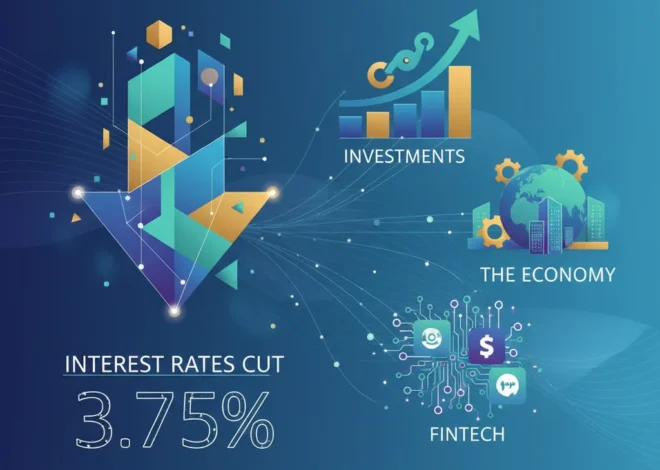
For over a year, the financial world has been fixated on the Federal Reserve’s interest rate decisions. This latest batch of data fundamentally shifts the conversation from “how much higher will rates go?” to “when will the Fed start cutting?” The unexpected speed of disinflation strengthens the case for a policy pivot in 2024.
The central bank’s primary goal has been to guide inflation back to its 2% target without derailing the strong labor market. This “soft landing” scenario, once considered a long shot, now appears increasingly plausible. The November data suggests that the Fed may not need to keep monetary policy at its current restrictive levels for as long as previously anticipated. The market’s reaction was swift, with bond yields falling and equities rallying on the prospect of earlier and more frequent rate cuts.
However, Fed officials remain cautious. They are acutely aware of the risks of declaring victory prematurely, only to see inflation resurge. They will be looking for a sustained trend of data, not just one or two positive reports, before committing to a change in course. The “last mile” of getting inflation from ~3% down to 2% is often considered the most difficult.
Implications for Your Portfolio: Navigating a Shifting Landscape
For anyone involved in investing or trading, this changing macroeconomic environment is a critical inflection point. A shift from a tightening to an easing monetary cycle has profound implications across all asset classes.
The Stock Market Reaction
Cooling inflation and the prospect of lower interest rates are generally bullish for the stock market. Here’s why:
- Lower Discount Rates: Lower interest rates increase the present value of future corporate earnings, which can boost stock valuations, particularly for growth-oriented technology companies.
- Reduced Borrowing Costs: Cheaper capital makes it easier for companies to invest, expand, and conduct share buybacks, all of which can support share prices.
- Improved Consumer Sentiment: Less inflation means more disposable income for consumers, which can lead to stronger corporate revenues and earnings.
Rate-sensitive sectors like technology, real estate, and consumer discretionary stocks have already seen strong performance on this news. Value and dividend-paying stocks in sectors like consumer staples and utilities also become more attractive as their yields become more competitive against falling bond yields. The rise of modern fintech platforms gives retail investors unprecedented access to participate in these market shifts, making data-driven trading strategies more accessible than ever.
The Trillion-Dollar Paradox: How China's Economic Woes Fueled a Record Trade Surplus
Bonds and Fixed Income
The bond market has been at the epicenter of this shift. As inflation expectations fall, so do bond yields. Investors who bought bonds when yields were higher are now seeing the value of their holdings increase. This environment makes fixed-income assets a more compelling part of a diversified portfolio, offering both income and the potential for capital appreciation.
The Broader Economic Context: Beyond the Headlines
No single data point exists in a vacuum. November’s inflation report is one piece of a much larger economic puzzle. It’s crucial to contextualize it with other key indicators to get a full picture of the health of the U.S. economy.
The resilience of the U.S. labor market has been the story’s other hero. Despite high interest rates, unemployment has remained historically low, and wage growth has been solid without excessively fueling inflation. This combination of cooling prices and a strong job market is the textbook definition of a soft landing.
Below is a comparative look at the two primary inflation measures, illustrating why the Fed’s focus on PCE is so important for policy decisions.
| Feature | Consumer Price Index (CPI) | Personal Consumption Expenditures (PCE) |
|---|---|---|
| Issuing Agency | Bureau of Labor Statistics (BLS) | Bureau of Economic Analysis (BEA) |
| Data Source | Household surveys (what consumers say they are buying) | Business surveys (what businesses are selling) |
| Key Difference | Gives a heavier weight to housing costs. | Has a broader scope and accounts for substitution (e.g., if beef prices rise, consumers buy more chicken). |
| Fed Preference | Monitored closely, but not the primary target. | The Fed’s official inflation target of 2% is based on the PCE Price Index. |
This dynamic also has significant implications for the banking sector. A stable economic environment with a clear path for interest rates allows banks to manage their lending and investment portfolios more effectively, reducing the kind of systemic risk that was a concern during the peak of rate hikes. Furthermore, advancements in financial technology continue to reshape how both consumers and institutions interact with the banking system, increasing efficiency and transparency.
Looking Ahead: Navigating Future Risks and Opportunities
While the November report is cause for celebration, the path ahead is not without potential obstacles. Geopolitical events, unexpected supply chain disruptions, or a re-acceleration in wage growth could all reignite inflationary pressures. The persistence of shelter inflation remains a key watchpoint for economists.
At the same time, opportunities abound. Continued disinflation could unlock further gains in financial markets and boost real wage growth for workers. In this evolving landscape, some investors are also looking at alternative asset classes. While highly speculative, assets based on blockchain technology are sometimes discussed in the context of long-term hedges against currency devaluation, representing a frontier of the finance world that aims to operate outside of traditional central bank systems. London's Fare Hike: A Microcosm of Macroeconomic Pressures and a Glimpse into the Future of Urban Finance
Ultimately, the November inflation data is a powerful confirmation that the U.S. economy is on a path toward normalization. It marks a pivotal moment, shifting the narrative from fighting an inflation crisis to managing a successful economic recovery. For investors, business leaders, and consumers, the key takeaway is one of cautious optimism. The storm is passing, but careful navigation is still required to reach clearer skies.

Related Posts
The Great Cool-Down: What November’s Inflation Report Means for the Economy, Your Investments, and the Future of Finance
The Rate Cut Ripple Effect: A Deep Dive into the Winners and Losers