The Silver Tsunami: How AI and Startups are Hacking Japan’s Dementia Crisis
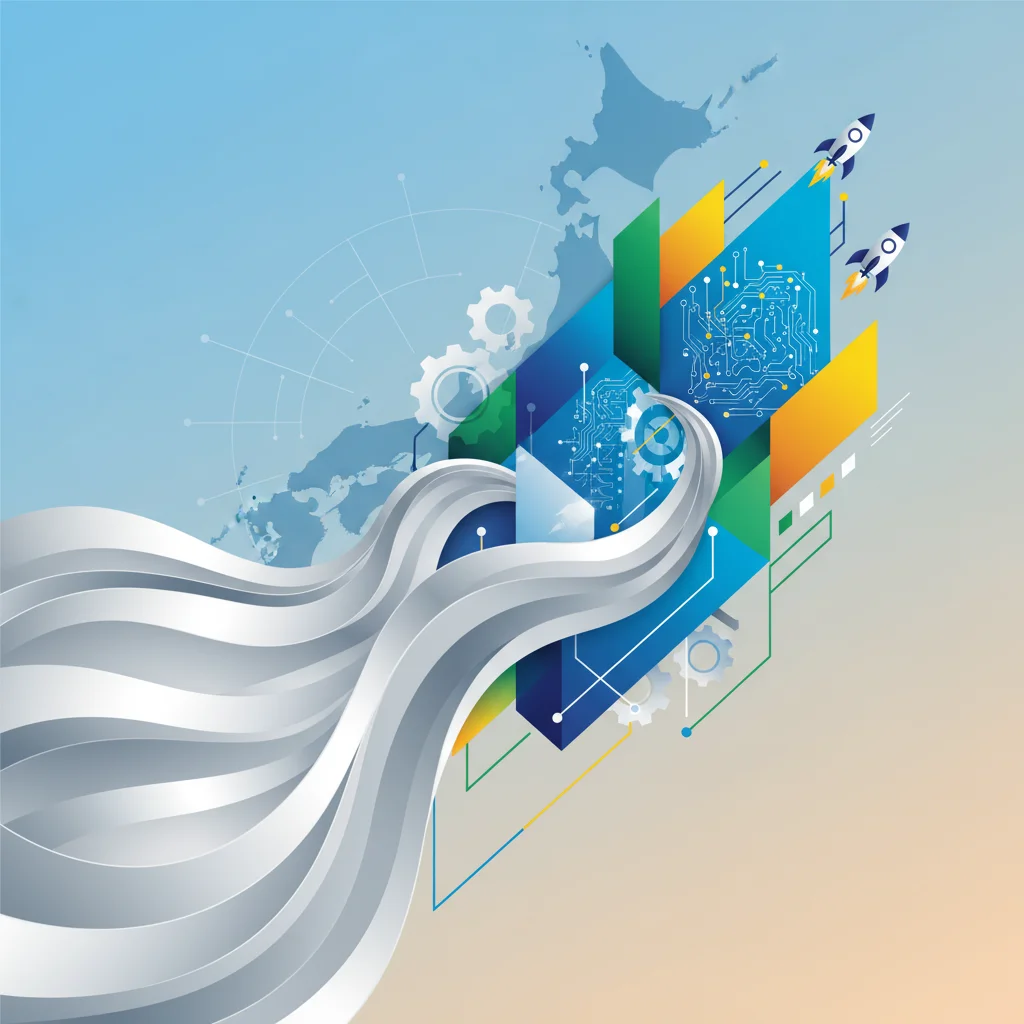
Picture a nation where the future has arrived, but not in the way sci-fi promised. Instead of flying cars, there’s a quiet, growing challenge: a “super-aged” society. In Japan, the numbers are staggering. Nearly 30% of the population is now aged 65 or over, a demographic milestone the rest of the world is watching closely. Within this silver tsunami lies a formidable wave—dementia.
By 2025, it’s estimated that one in five Japanese seniors will be living with dementia. This isn’t just a healthcare statistic; it’s a societal crisis in the making, straining families, the economy, and the very fabric of social care. The traditional models of support are buckling under the pressure. But in the land of innovation, a different kind of solution is emerging, one built on silicon, software, and the cloud. The question is no longer just “How do we care for them?” but “How can technology, from artificial intelligence to SaaS platforms, revolutionize dementia care?”
For developers, entrepreneurs, and tech professionals, this challenge represents one of the most significant and meaningful market opportunities of our time. Let’s explore how code and compassion are converging to tackle Japan’s dementia crisis.
The Human and Economic Cost of a Fading Memory
Before we dive into the tech, it’s crucial to understand the scale of the problem. Dementia is more than memory loss. It’s a progressive decline in cognitive function that affects thinking, reasoning, and the ability to perform daily activities. The emotional toll on patients and their families is immense, but the economic impact is equally daunting.
The cost of dementia care includes direct medical expenses, social care, and the informal care provided by family members, who often have to reduce their work hours or leave their jobs entirely. This creates a ripple effect across the economy. A 2019 study projected the societal costs of dementia in Japan to reach a staggering ¥21.9 trillion (approx. $200 billion) by 2030. This is an unsustainable trajectory that demands radical innovation.
NHS Data for Sale? The AI Gold Rush and Your Health Records
The Digital First Responders: AI, Automation, and Cloud to the Rescue
This is where technology transitions from a convenience to a necessity. A new generation of “Gerontechnology” is rising to the occasion, leveraging cutting-edge software and hardware to create a new paradigm for elder care. Here’s how different tech sectors are contributing.
Artificial Intelligence and Machine Learning: The Predictive Powerhouse
The most profound impact of artificial intelligence in dementia care lies in its predictive capabilities. The earlier we can detect cognitive decline, the more effective interventions can be. Machine learning models are being trained to spot subtle signs that a human doctor might miss.
- Early Detection: AI-powered software can analyze speech patterns, vocal inflections, and even typing speed to identify early indicators of cognitive impairment. Imagine an app that passively monitors these biomarkers, flagging potential risks for a clinical follow-up. The programming behind this involves complex natural language processing (NLP) and pattern recognition algorithms.
- Personalized Care Plans: Once diagnosed, AI can help create dynamic, personalized care plans. These systems can track a patient’s mood, activity levels, and cognitive performance on a daily basis, adjusting reminders, activities, and even meal plans to optimize their well-being. This is a perfect application for a subscription-based SaaS model, delivering continuous value to families and care facilities.
- Caregiver Support: AI chatbots and virtual assistants can provide 24/7 support to overwhelmed caregivers, answering common questions, suggesting coping strategies, and automating scheduling tasks. This use of automation can significantly reduce caregiver burnout.
The Cloud and SaaS: Creating a Connected Care Ecosystem
Isolated solutions are not enough. The key to effective dementia care is a connected ecosystem where data flows seamlessly and securely between patients, families, and healthcare providers. This is where the cloud is indispensable.
Cloud-based SaaS platforms are emerging as the central nervous system for modern elder care. These platforms can integrate data from smart home sensors (detecting falls or unusual activity), wearable health trackers, and telehealth consultations into a single, accessible dashboard. This allows doctors to monitor patients remotely and enables family members living far away to stay informed and involved, providing peace of mind and enabling timely interventions.
The Startup Gold Rush: Mapping the Opportunities
For entrepreneurs and developers, Japan’s dementia crisis is a well-defined problem space ripe for disruption. The demand for scalable, effective, and affordable solutions is enormous. Below is a breakdown of key challenges and the corresponding opportunities for tech startups.
| Challenge in Dementia Care | Description | Potential Tech Solution & Business Model |
|---|---|---|
| Early & Accessible Diagnosis | Cognitive decline often goes undetected for years due to a lack of simple, scalable screening tools. | AI-powered Diagnostic Software (SaaS): A B2B SaaS platform for clinics that analyzes voice or text inputs to flag at-risk patients. |
| Caregiver Burnout & Isolation | Family caregivers are often overworked, untrained, and emotionally drained, with little support. | Caregiver Support Platform (SaaS/Freemium): An app offering AI-driven scheduling automation, resource libraries, and a secure community forum for peer support. |
| Patient Safety & Wandering | Patients may wander and get lost, or be at risk of falls and other accidents at home. | IoT Monitoring System (Hardware + Subscription): Smart sensors and wearables that use machine learning to learn routines and send alerts for anomalous behavior (e.g., leaving home at 3 AM). |
| Cognitive Stimulation & Engagement | Keeping patients mentally active is crucial for slowing cognitive decline, but activities can be repetitive. | Personalized Brain-Training App (Subscription): An adaptive app with games and reminiscence therapy tools that adjust in difficulty based on the user’s performance. |
| Medication Management | Forgetting to take medication, or taking the wrong dose, is a common and dangerous problem. | Automated Dispenser with Cloud Sync (Product + Service): A smart pill dispenser that alerts patients and notifies caregivers via a cloud-linked app if a dose is missed. |
Each of these areas requires a blend of sophisticated programming, user-centric design, and a robust cloud infrastructure. The winners will be those who can build solutions that are not only technologically advanced but also intuitive and accessible for an elderly population and their non-tech-savvy caregivers.
The Hurdles on the Horizon: Cybersecurity, Adoption, and Ethics
The path forward is not without its obstacles. Building these solutions requires navigating a complex landscape of technical and ethical challenges.
- Cybersecurity and Data Privacy: As mentioned, this is non-negotiable. Health data is a prime target for cyberattacks. Startups must invest heavily in end-to-end encryption, secure cloud architecture, and compliance with stringent data protection laws like Japan’s APPI.
- Digital Divide and Adoption: How do we ensure these tools are used by those who need them most? Many elderly individuals are not digital natives. User interfaces must be incredibly simple, and onboarding processes may require high-touch, in-person support.
- Integration with Legacy Systems: Hospitals and care facilities often run on outdated IT infrastructure. New SaaS solutions must be built with flexible APIs to ensure they can integrate with existing electronic health records (EHRs), a significant programming and architectural challenge.
From Mouse to Mind: Logitech's Audacious Plan to Become the "Hands of AI"
Conclusion: Coding a More Compassionate Future
Japan’s dementia crisis is a profound challenge, but it is also a powerful catalyst for innovation. It’s forcing a conversation about how we care for our most vulnerable and pushing the boundaries of what technology can achieve. The convergence of artificial intelligence, cloud computing, and automation is creating tools that can bring dignity to patients, relief to caregivers, and sustainability to the healthcare system.
For the global tech community, Japan is a living laboratory. The solutions being developed here today will undoubtedly be adapted for aging populations in Europe, North America, and beyond. The challenge is immense, the stakes are high, but for the developers, founders, and innovators willing to take it on, the opportunity is not just to build a successful company—it’s to code a better, more compassionate future for millions.