The Feta Effect: Why a Greek Livestock Crisis is a Red Flag for the Global Economy
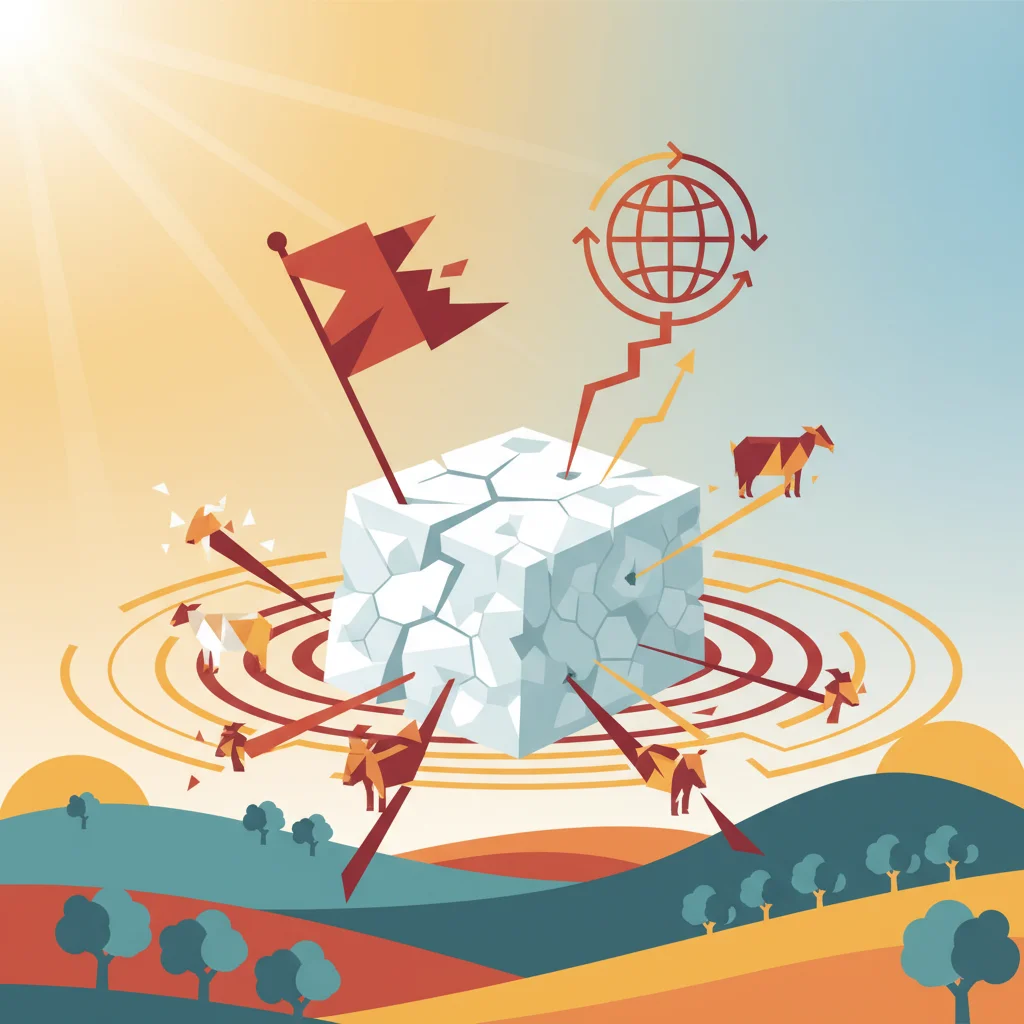
In the sun-drenched hills of Greece, a crisis is unfolding that extends far beyond the pasture. An outbreak of infectious disease is forcing a nationwide cull of sheep and goats, the very lifeblood of the country’s agricultural heritage. While the immediate concern is for the farmers and their livestock, the economic shockwaves are poised to ripple across the globe, landing squarely on our dinner plates and, more surprisingly, in our investment portfolios. The potential victim? Feta cheese, Greece’s culinary crown jewel and a multi-billion-dollar export.
This isn’t just a story about a cheese shortage. It’s a powerful case study in supply chain fragility, commodity volatility, and the hidden risks that lurk within our interconnected global economy. For investors, finance professionals, and business leaders, the unfolding situation in Greece offers a critical lesson: the most significant market tremors can originate from the most unexpected places. Understanding the financial implications of this agricultural crisis is essential for navigating the complexities of modern investing and risk management.
The Epicenter of the Crisis: A Blow to Greece’s Agricultural Heart
The Greek countryside is facing a significant challenge. Authorities are implementing a large-scale culling of sheep and goats to contain an aggressive infectious disease outbreak. According to a report from the BBC, this drastic but necessary measure is raising alarms about the future supply of dairy products, most notably feta cheese. For countless small-scale farmers, this represents not just a loss of income but the decimation of generations of work and animal husbandry.
The economic importance of this sector to Greece cannot be overstated. The sheep and goat industry is a cornerstone of its agricultural output. Beyond the raw numbers, it’s an industry deeply woven into the nation’s cultural and economic fabric. The crisis directly threatens livelihoods, destabilizes rural communities, and puts immense pressure on the national banking system that provides credit and loans to these agricultural enterprises.
Beyond the Rally: Why European Banks Are Sweetening the Deal for Investors
Why Feta is No Ordinary Commodity: The Economics of a Protected Designation
To grasp the full financial impact, one must understand that feta is not just any cheese. It is a product with a Protected Designation of Origin (PDO) status, a geographically-defined intellectual property right recognized by the European Union. This means that for a cheese to be legally called “feta,” it must be produced in specific regions of Greece using a traditional recipe, primarily from the milk of local sheep and goat breeds. According to the European Commission, the PDO framework is designed to protect the reputation of regional foods and eliminate unfair competition.
This protected status is a double-edged sword. While it guarantees quality and commands a premium price on the global market, it also creates an inflexible, geographically-locked supply chain. Unlike other commodities, production cannot simply be shifted to another country to compensate for a shortfall. A sheep cull in Greece means a direct, unavoidable reduction in the global supply of authentic feta. This inelasticity amplifies price volatility and creates a perfect storm for a supply-side shock, a core concept in economics that every trader on the stock market understands well.
To illustrate the scale of the industry at risk, consider the following data on Greece’s feta production and export market.
| Metric | Approximate Annual Figure |
|---|---|
| Total Feta Production | ~120,000 tonnes |
| Annual Export Volume | ~90,000 tonnes (source) |
| Estimated Annual Export Value | Over €600 million |
| Primary Export Markets | Germany, UK, USA, Italy, Sweden |
The Ripple Effect: From Greek Pastures to Global Portfolios
The culling of livestock in Greece is a textbook example of a supply shock that will reverberate through the global financial system. The most immediate and obvious impact will be on consumer prices. A reduced supply of feta, coupled with inelastic demand from consumers and restaurants worldwide, will inevitably lead to price hikes. This contributes to food price inflation, a key metric monitored by central banks and a factor that can influence monetary policy and the broader economy.
For those involved in commodity trading, the situation presents both risk and opportunity. While feta itself isn’t traded on a futures exchange like wheat or soybeans, the price movement of related goods, from shipping costs to packaging materials and alternative dairy products, will be affected. Sophisticated investors will be watching the stock prices of large food importers, specialty grocery chains, and restaurant groups that rely heavily on European specialty products. A sustained shortage could impact their margins and, consequently, their stock market performance.
Beyond the Balance Sheet: What a Charity's Blankets Reveal About the Modern Economy
This event also serves as a stark reminder of the importance of Environmental, Social, and Governance (ESG) factors in investing. The “E” and “S” are in the spotlight here. The environmental aspect relates to the biosecurity measures and sustainable farming practices needed to prevent such outbreaks, while the social component involves the economic well-being of the farming communities. Companies with robust and transparent supply chains that can better withstand these shocks are likely to prove more resilient long-term investments.
A Glimpse into the Future: Can Technology Mitigate the Next Crisis?
As we analyze the fallout, it’s crucial to look forward and ask how technology can help prevent or lessen the impact of future crises. This is where the worlds of agriculture and advanced finance intersect, particularly through innovations in fintech and blockchain.
Imagine a future where livestock is tracked on an immutable blockchain ledger from birth. Health records, vaccinations, and movements could be transparently recorded, allowing for rapid, precise containment of a disease outbreak rather than broad, economically devastating culls. This level of traceability could transform supply chain management, reducing risk for everyone from the farmer to the end consumer and the banks that finance them. This isn’t science fiction; it’s the practical application of financial technology principles to a real-world problem.
Furthermore, fintech platforms could revolutionize agricultural insurance. Parametric insurance models, for instance, could use smart contracts on a blockchain to trigger automatic payouts to farmers based on verifiable data of a government-mandated cull in their region. This would provide immediate liquidity, stabilize the agricultural sector, and reduce the risk of loan defaults, thereby protecting the balance sheets of regional and national banking institutions. Such innovations would create more stable and predictable financial ecosystems in sectors traditionally vulnerable to unpredictable natural events.
Actionable Insights for Investors and Business Leaders
The Greek feta crisis is more than a headline; it’s a teachable moment. Here are three key takeaways for strategic decision-making:
- Scrutinize Supply Chain Concentration: Whether you are investing in a company or managing one, understand the geographic and supplier concentration risks in your supply chain. A “protected” status like a PDO can be a unique selling proposition, but it is also a single point of failure. Diversification isn’t just for a stock portfolio; it’s for supply chains, too.
- Factor in “Black Swan” Agricultural Events: Climate change and global interconnectedness are increasing the frequency of unpredictable events like droughts, floods, and disease outbreaks. Financial models and risk assessments must evolve to account for these agricultural “black swans.” The future of investing will require a deeper understanding of ecological and biological risks.
- Explore a New Asset Class: The demand for solutions is creating a new and growing investment class in AgriTech and supply chain technology. Companies specializing in traceability (often using blockchain), precision agriculture, and innovative risk management tools (fintech) are poised for significant growth as the world grapples with making its food supply more resilient.
In conclusion, the plight of Greek sheep and goat farmers is a potent symbol of a much larger economic reality. It demonstrates how a localized, sector-specific crisis can have far-reaching consequences, influencing everything from grocery bills to complex trading strategies. By dissecting the Feta Effect, we gain a clearer understanding of the fragile, intricate web of the modern global economy and learn to identify both the hidden risks and the profound opportunities that lie ahead.

Related Posts
UK’s Fiscal Surprise: Decoding the December Dip in Government Borrowing and What It Means for Investors

UK’s Unexpected Fiscal Breather: Decoding the December Borrowing Drop and Its Impact on the Economy